Song Meaning
The lyrics open with stark images of decay and a peculiar childhood game, setting an immediate tone of vulnerability and detachment. A "burnt out" birdhouse quickly shifts to the eerie idiom "Light as a feather, stiff as a board," suggesting a forced stillness amidst internal turmoil. The speaker expresses a simple desire for "weather warm," a brief moment of comfort before the chorus arrives.
The core tension emerges in the repeated chorus, where the speaker acknowledges their own "strange rides" and even their own perception, yet consistently pivots to "often others." This isn't just simple deflection; it's a complex interplay, suggesting a struggle with accountability, perhaps a deep-seated habit of externalizing problems, or a genuine feeling of being influenced by external forces. The phrase "often others" becomes a psychological anchor.
The lyrical craft thrives on sharp contrasts and unexpected juxtapositions. Direct external criticism, like "Talk cheap, shame me," is immediately followed by the almost defiant declaration of being "Brighter than ever, outside the door." This brightness, however, isn't necessarily positive; it precedes the ominous "Greatest ever storm." The speaker seems caught between external judgment, an internal desire for warmth, and an overwhelming sense of impending chaos.
What makes these lyrics effective is their refusal to offer easy answers. The consistent outward gaze, even when faced with personal "strange rides," creates a sense of unresolved internal conflict. The abrupt, almost aggressive command to "Paint it red" in the outro feels like a final, desperate attempt to assert control or make a definitive mark, perhaps covering up or transforming the very things that lead to the need to deflect. It leaves the listener with a stark, visceral image and a lingering question about true responsibility.
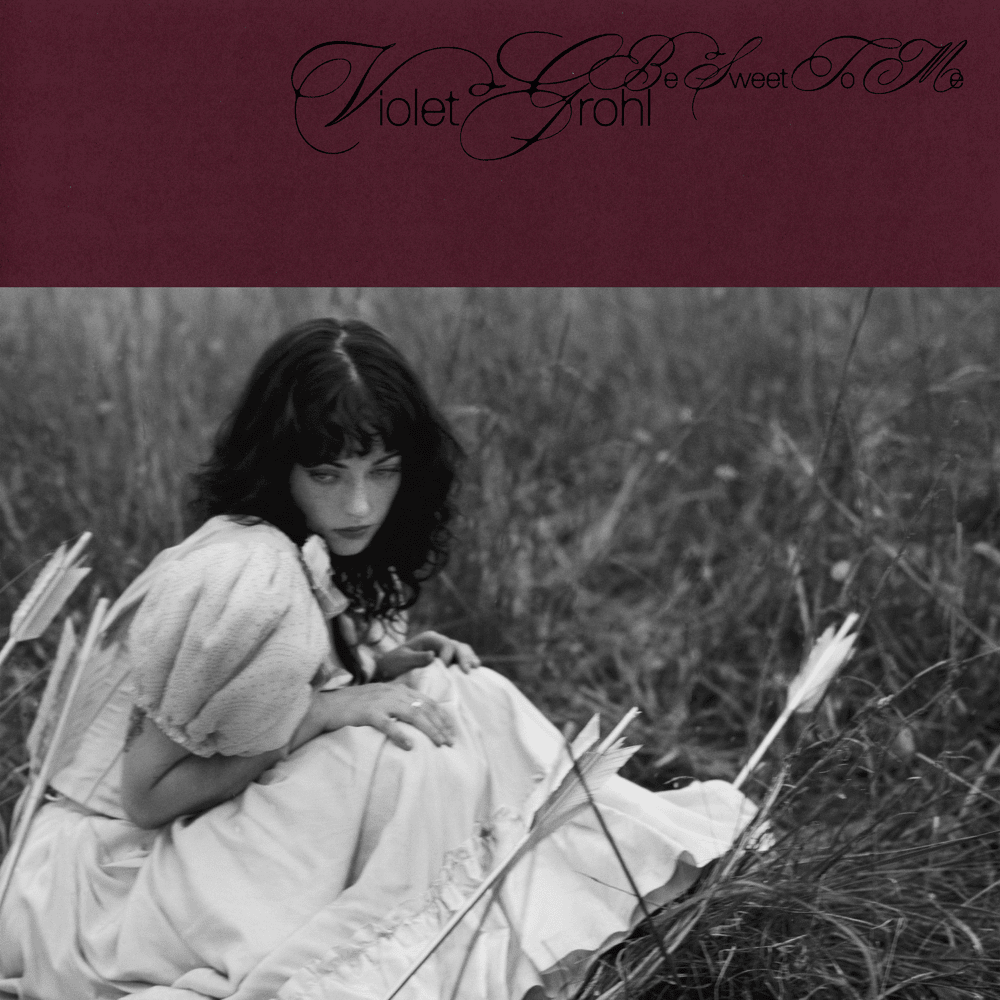
 View Artist