Song Meaning
The lyrics paint a stark picture of existential dread and inescapable despair. The opening lines immediately establish a sense of profound cold and isolation, placing the speaker "dying outside" amidst "the cold winds of the winter." This isn't just a physical chill; it feels like a metaphor for an emotional or spiritual freezing, a state of being utterly exposed and vulnerable to harsh external forces. The subsequent declaration, "In the valleys of death / I have been," solidifies this feeling of having experienced profound loss or a near-death state, from which freedom seems impossible.
The central tension arises from the narrator's perceived inability to escape their current state. The line "I know / I'll never be free" is a blunt assertion of this hopelessness. This feeling is amplified when the narrator contrasts their own perceived limitations with the clarity of others: "In the dreams of someone / Whose mind is clear / I feel I could never live." This suggests a deep-seated inadequacy or a fundamental difference that prevents them from experiencing life as others might, trapped by their own internal landscape.
The most striking aspect of the lyrics is the narrator's final self-identification. They move from a passive victim of external cold to an active, albeit terrifying, presence. "I whisper / In the words of knowledge / I am in your deepest fears." This shift is chilling, transforming the narrator from someone suffering alone to a source of dread for others. The "knowledge" they speak of isn't comforting; it's the dark, primal knowledge of fear itself, suggesting a profound, perhaps even malevolent, connection to the anxieties of others.
This lyrical construction is effective because it moves from a relatable sense of isolation to a more unsettling, almost supernatural, claim of influence. The stark, unadorned language amplifies the emotional weight, making the descent into fear feel both inevitable and deeply impactful. The final lines leave the listener with a lingering sense of unease, as the narrator's despair becomes a shared, internal terror.
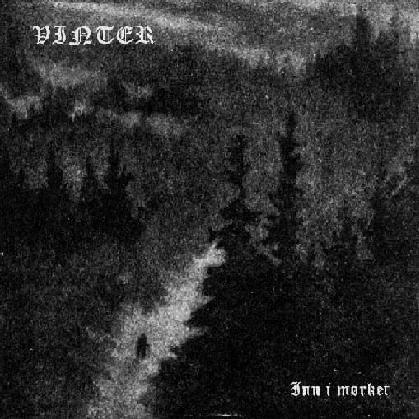
 View Artist