Song Meaning
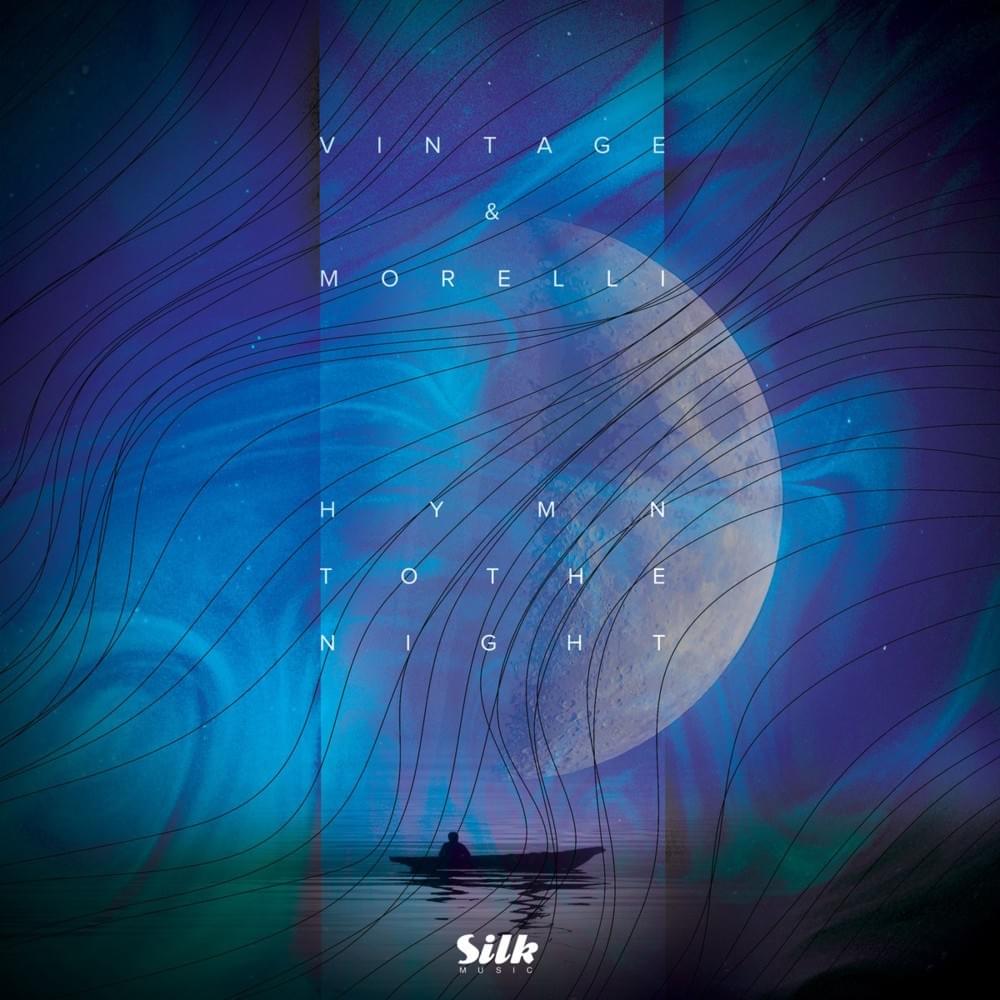
The narrator is adrift, literally and figuratively, on a "lonely shore." Their aimless wandering, marked by stumbling and fumbling, suggests a state of disorientation and despair. The discovery of a "message in a bottle" offers a flicker of hope, a tangible connection that begins to mend their isolation. This found communication is described as soothing, akin to the rhythmic comfort of waves, hinting at a profound emotional balm.
The central tension arises from the stark contrast between the narrator's profound loneliness and the nascent hope ignited by the message. The "glimmer" of the sun, a simple yet powerful image, signifies that they are no longer entirely alone, a crucial shift from their previous state. This external validation fuels a vision of future connection, specifically "dancing in the moonlight," a romantic and idealized scene that underscores their deep yearning for companionship.
The lyrics masterfully employ the recurring motif of the "lonely shore" to anchor the narrator's emotional state. This desolate landscape becomes a physical manifestation of their isolation, a place they desperately want to escape. The repeated plea, "Can you hear my call in the wind?" coupled with the insistent refrain, "I don't wanna be alone," amplifies the urgency of their desire for rescue and connection, transforming the shore from a setting into a palpable symbol of their plight.
Ultimately, the effectiveness of these lyrics lies in their direct, unadorned expression of vulnerability. The simple language and clear emotional arc—from despair to a fragile hope for reunion—resonate powerfully. The repeated assurances, "I won't be all alone / On my own / Anymore," serve as a mantra, a desperate affirmation of the possibility of overcoming solitude, making the narrator's plea for someone to "Come find me" feel deeply human and urgent.