Song Meaning
The lyrics paint a picture of a chaotic, possibly drug-fueled gathering, centered around the cryptic "1-7-7." The scene unfolds in a backyard, with people "falling over tables" and a general sense of detachment, as the narrator admits, "I am gone." This sets a tone of hazy disorientation, where the immediate physical environment is secondary to an internal state of altered consciousness or emotional absence. The question "How 'bout you?" directly engages the listener, pulling them into this dislocated reality.
The core tension seems to lie between a desperate desire to remain in this moment and the unsettling acknowledgment of shared doom. Phrases like "I don't wanna leave" and "We never really have to leave" are repeated, emphasizing a clinging to the present. This is starkly contrasted with the insistent refrain, "We're all going to hell," suggesting that this intense, perhaps destructive, communal experience is happening on the precipice of something terrible. The lyrics suggest a simultaneous embrace of oblivion and a fear of its consequences.
The characterizations of Katie and Connie offer glimpses into the dynamics of this group. Katie's unintelligible speech is presented as inherently truthful simply because it originates from her, highlighting a perhaps irrational or deeply personal form of validation within the group. Connie, "kneeling on the concrete" and "drunk as hell," is paradoxically depicted as holding "the future in his hands" and knowing "what he wants," with the narrator asserting that "true love" is only understood by those who witnessed this specific scene. These portrayals suggest a distorted reality where personal conviction and profound connection are found in extreme, disheveled circumstances.
Ultimately, the effectiveness of these lyrics stems from their ability to evoke a potent atmosphere of both desperate camaraderie and impending damnation. The repetition of "One hundred and seventy seven" and the repeated pronouncement of shared doom create a hypnotic, almost ritualistic effect. The contrast between the desire to stay and the certainty of hell, coupled with the intensely personal, albeit bizarre, affirmations of love and truth, makes the scene feel both specific and unsettlingly resonant, capturing a feeling of being trapped in a moment that is both cherished and terrifying.
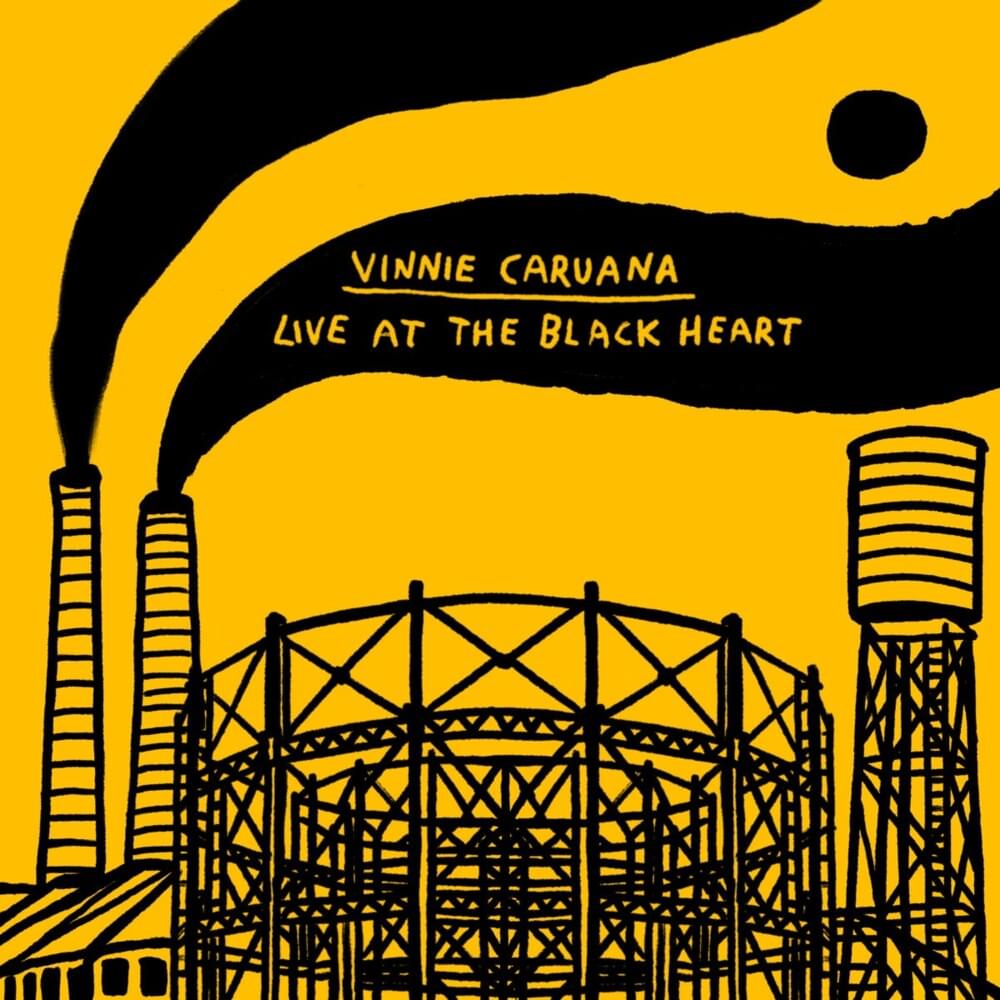
 View Artist