Song Meaning
The lyrics paint a stark picture of recurring heartbreak and the practical, almost mundane, anxieties that accompany it. The opening lines, "Mais um adeus / Uma separação / Outra vez, solidão," immediately establish a tone of weary resignation, suggesting this isn't the first time the speaker has faced loss. This isn't a dramatic, sudden implosion of love, but a familiar, cyclical pain.
The central tension lies in the contrast between the idealized, often painful, nature of love and the stark realities of separation. The narrator describes love as "uma agonia" and "uma alegria," a volatile mix that can unexpectedly lead to "uma vontade de chorar." This emotional whiplash is amplified by the second half, which shifts from abstract feelings to concrete worries about health and finances.
The most striking element is the abrupt shift in perspective and tone in the "Contraponto" section. The tender "benzinho" (darling) is juxtaposed with a list of practical, almost transactional instructions: avoid chills, don't drink too much, send money for the apartment, because "o vencimento / Não é como eu: / Não pode esperar." This grounds the emotional suffering in the harsh necessity of survival, where even a lover's absence is less urgent than a paycheck.
This juxtaposition makes the lyrics hit hard because it humanizes the pain of separation. It's not just about lost romance; it's about the practical fallout, the mundane worries that continue even when the heart is breaking. The repeated cycle of "Mais um adeus" and the dual description of love as both agony and joy underscore a profound sense of life's persistent, often unglamorous, struggles.
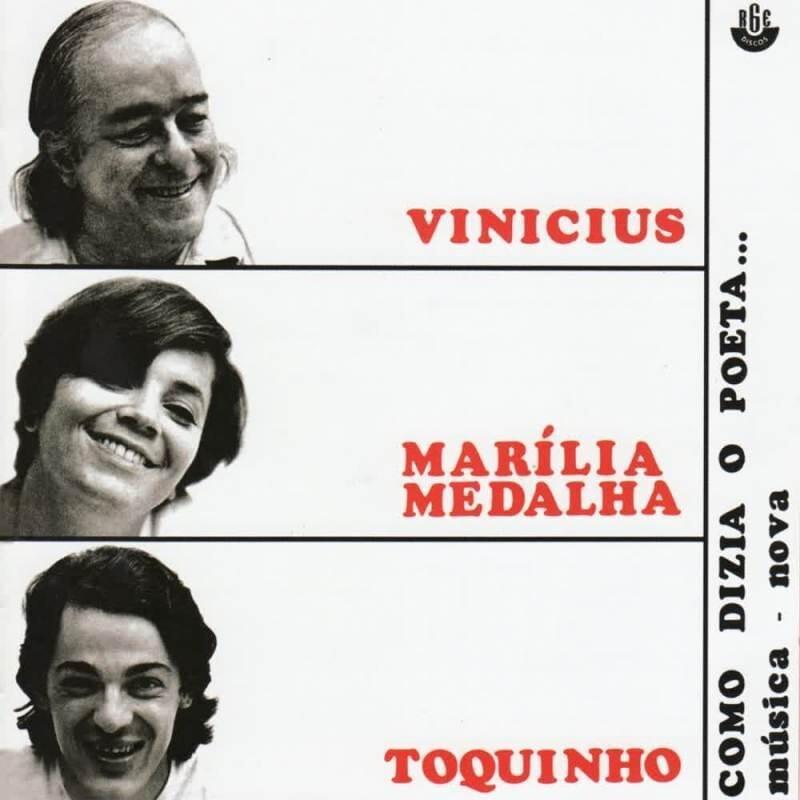
 View Artist