Song Meaning
This track kicks off with a declaration of self-acceptance and resilience. The narrator asserts their identity, stating "Eu sou quem eu sou" (I am who I am) and emerging from hardship, "Eu saio da fossa" (I leave the pit/ditch). This defiance is underscored by the use of "Xingando em Nagô" (cursing in Nagô), suggesting a reclaiming of cultural or spiritual roots in the face of adversity.
The core tension arises from a confrontation with a passive, unseeing audience. The narrator addresses those who "ouvem e não falam" (hear and don't speak), "olham e não veem" (look and don't see), and "lêem e não sabem" (read and don't know). This disconnect fuels the narrator's desire to impart knowledge or experience, promising "Eu vou lhe dar uma pala" (I'm going to give you a tip/insight) and insisting "Você vai ter que aprender" (You will have to learn).
The repeated phrase "A tonga da mironga do kabuletê" acts as a central, enigmatic concept. Its repetition, especially as the destination for the unheeding listener ("mandar você / Pra tonga da mironga do kabuletê"), suggests it represents a place or state of profound, perhaps spiritual, understanding that the narrator is trying to convey. The contrast between superficial actions like reading or praying and genuine comprehension or belief highlights the gap the narrator seeks to bridge.
Ultimately, the lyrics' power lies in their direct address and the rhythmic insistence on a mysterious, transformative concept. The narrator's journey from personal struggle to a position of imparting wisdom, even through a curse, creates a compelling narrative arc. The track seems to be about forcing a reckoning with reality and encouraging a deeper engagement with life beyond passive observation.
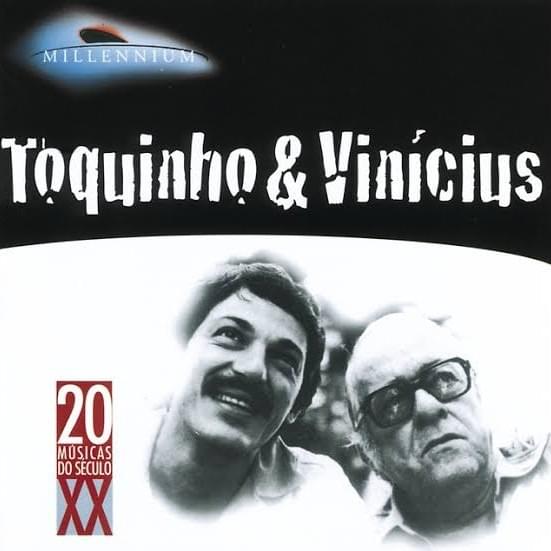
 View Artist