Song Meaning
The lyrics paint a picture of a Sunday morning, a time for "collect[ing] the pieces" and gathering "sinners" to "hang out." This sets a scene of quiet, perhaps slightly disheveled, recovery or preparation. The repetition of "You are the only one" in the chorus, coupled with the plea "Samurai, don't die," suggests a deep, personal encouragement directed at someone who is facing a significant challenge or existential threat.
The central tension arises from the contrast between the desire for connection and the impulse for self-destruction or escape. Phrases like "Can we connect and live it out?" and "Select our future and take off" speak to a yearning for forward momentum and shared experience. Yet, this is juxtaposed with the stark warning "If life's a nuisance, burn it out," revealing an underlying nihilism or weariness that the narrator is trying to combat, both in themselves and in the "Samurai."
The most striking craft element is the recurring, almost mantra-like refrain "Samurai, don't die / You are the only one." The term "Samurai" evokes a warrior, someone bound by a code, perhaps facing a solitary battle. This title, repeated with such urgency, elevates the personal struggle to an epic, almost mythic level. The narrator's own position is ambiguous; they seem to be both the one offering this encouragement and possibly the one needing it, as evidenced by "Bring me back, I'm holding on."
Ultimately, the effectiveness of these lyrics lies in their raw, direct address and the potent imagery of a lone warrior facing overwhelming odds. The simple, insistent repetition of "don't die" and "only one" creates a powerful sense of desperate hope. It’s a plea for resilience, a recognition of the unique burden carried by the "Samurai," and a testament to the profound impact one person can have, even in the face of life's perceived "nuisance."
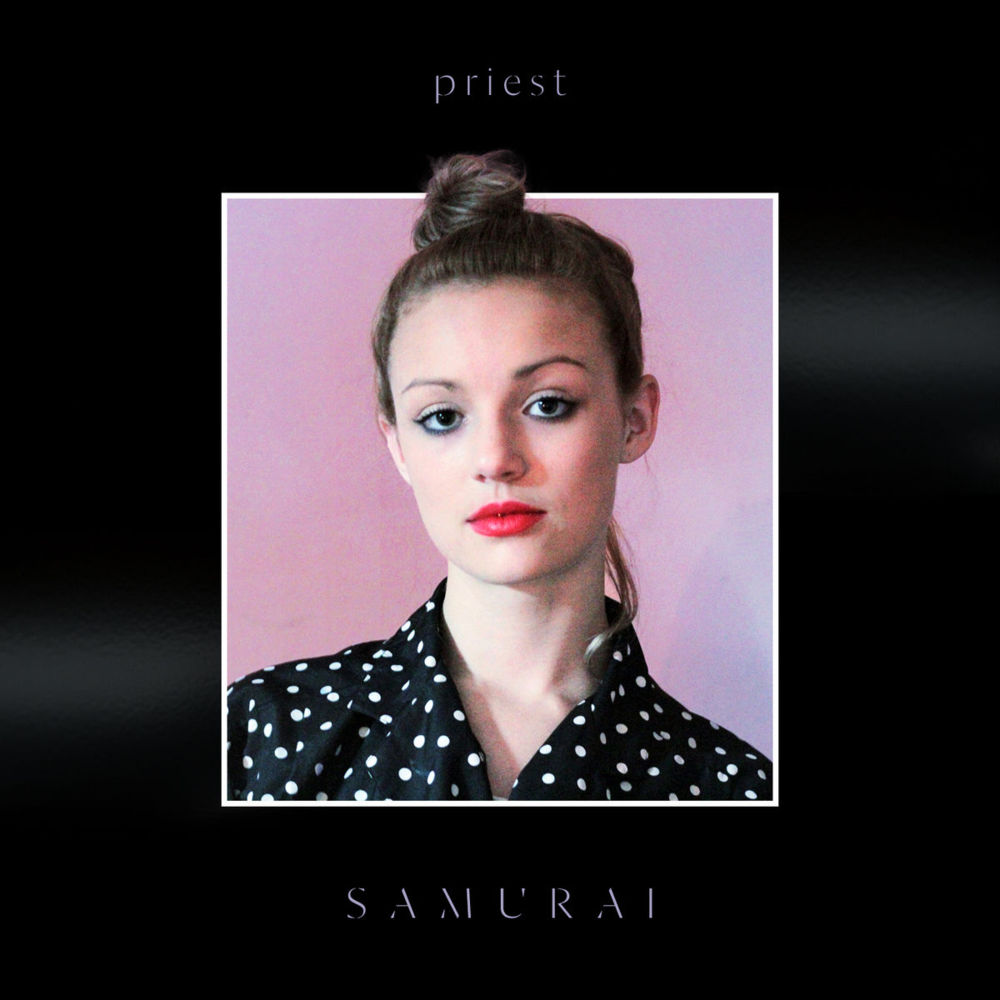
 View Artist