Song Meaning
The lyrics paint a stark picture of profound inertia and existential dread. The narrator is physically present but mentally absent, surrounded by the mundane detritus of life – dirty laundry piling up, slumped on the couch with a Nintendo. There's a palpable sense of decay, a feeling that everything is falling apart, coupled with a passive acceptance of their own demise. This isn't a dramatic crisis, but a quiet, almost numb surrender.
The central tension lies in the narrator's struggle with identity and agency. They question their own existence, asking "Je suis encore moi" (I am still me) with a bewildered tone. This feeling of being adrift is amplified by the paradox of dependency: "Je suis dépendant rien dépend de moé" (I am dependent, nothing depends on me). They feel like a "roche j'essaye de flotter" (a rock trying to float), a powerful image of struggling against an impossible, crushing weight.
The repeated, almost mantra-like questions, "J'sais pas pourquoi" (I don't know why), underscore a deep lack of understanding about their own motivations and continued existence. This is contrasted with a series of impulsive, destructive desires: wanting to sniff glue, blow up their house, buy drugs, jump into traffic, steal a car, or simply disappear. These urges feel less like genuine plans and more like desperate, fleeting fantasies born from an overwhelming sense of stagnation.
Ultimately, the effectiveness of these lyrics comes from their raw, unvarnished portrayal of apathy and the quiet desperation that can accompany it. The narrator isn't seeking grand solutions; they're simply adrift in a sea of their own making, questioning the very nature of their being. The mundane details juxtaposed with these dark impulses create a disquieting, yet strangely resonant, portrait of someone struggling to find meaning or escape their own inertia.
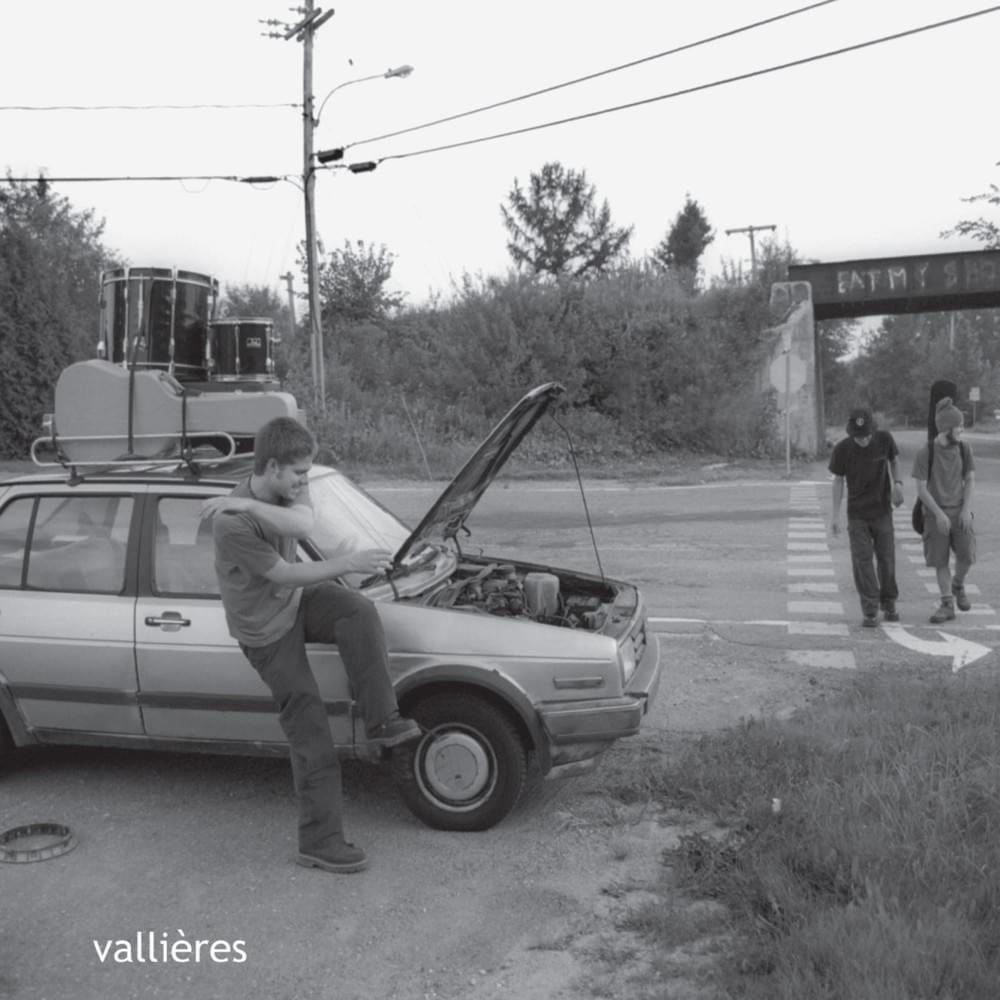
 View Artist