Song Meaning
The lyrics paint a picture of a lazy, intimate Sunday afternoon, steeped in a specific kind of melancholy joy. The scene is set in a worn-down apartment, marked by a bottle of red wine and the simple act of lounging in bed, "jaser de la vie la vie" – talking about life, life. This isn't a grand narrative, but a quiet moment of shared existence, a "baby blues" that feels more like a comfortable, shared mood than genuine sadness.
The core of the song seems to be about finding profound connection and escape within these simple, perhaps even mundane, moments. The narrator sees their partner as "de la muse," a source of inspiration, and recalls past intense experiences ("On a trippé fort") with the certainty that they will happen again ("Pis on va tripper encore"). This repetition suggests a cyclical, enduring joy found in their shared present and future, even amidst the "appart usé" or worn-out apartment.
The craft here lies in the subtle juxtaposition of "blues" with "happy" and "smooth." The phrase "Blues baby blues" repeats, but it's consistently paired with imagery of ease and pleasure – "À rouler smooth happy," "C'est comme su'l'cruise," and the desire to "transcender l'espace / Et oublier le temps et se perdre dans le groove." This creates a unique emotional texture, where a potentially somber feeling is infused with a laid-back, almost blissful contentment, suggesting a chosen state of being rather than an imposed sadness.
Ultimately, the effectiveness of these lyrics comes from their ability to capture a specific, almost tangible feeling of contented melancholy and shared escape. The repeated "Baby blues" anchors the mood, while the descriptions of shared experiences and the promise of "encore" build a sense of enduring, unpretentious connection. It's this blend of intimacy, a touch of wistfulness, and the promise of continued shared joy that makes the song resonate.
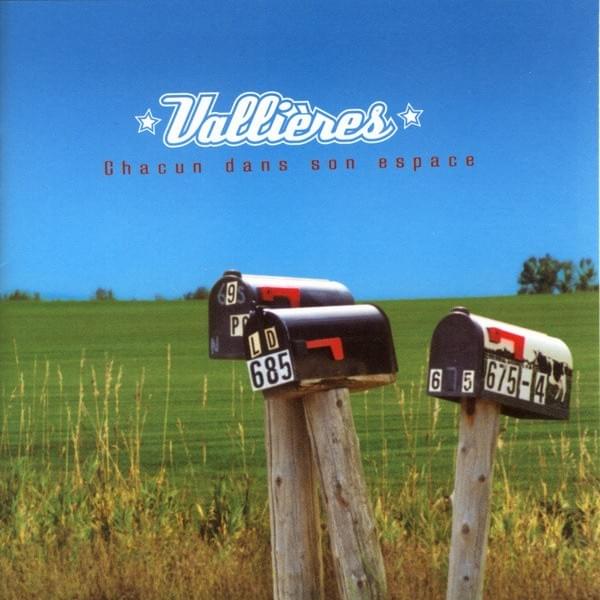
 View Artist