Song Meaning
The lyrics paint a picture of profound solitude, not necessarily as a negative state, but as a chosen or accepted condition. The opening lines establish a sense of facing external forces head-on, like the wind and the river's flow, suggesting a stoic acceptance of life's unpredictable nature. This is reinforced by the idea of braving the cold until it's deeply felt, implying an endurance that leads to a state of being "truly alone."
The second stanza shifts to internal fortitude, focusing on giving love without expectation and recognizing one's inherent worth regardless of external validation like earnings. The narrator seeks peace with the unknown, a mature resignation that again culminates in the repeated declaration of being "truly alone." This isn't presented as a cry for help, but as a statement of fact, a self-sufficient existence.
A distinct tension emerges in the third stanza with the external judgment: "They keep on telling me that I'm out of line." This introduces conflict, a feeling of being misunderstood or unconventional. The narrator acknowledges imperfection and the blurred lines of societal expectations, hinting that their perceived transgression might stem from a place of privilege, a subtle self-awareness that complicates the earlier stoicism. The phrase "out of line but the line is blurred" suggests a defiance against rigid norms.
Ultimately, the lyrics articulate a complex form of aloneness. It's a state achieved through resilience, self-worth, and a willingness to face judgment. The final stanza emphasizes this by describing the need to stay strong when unsupported and to understand the weight of what's missing, all while wandering in search of belonging. The repeated "truly alone" becomes an anthem of self-reliance, a hard-won peace found in the absence of external connection, even amidst the search for a home.
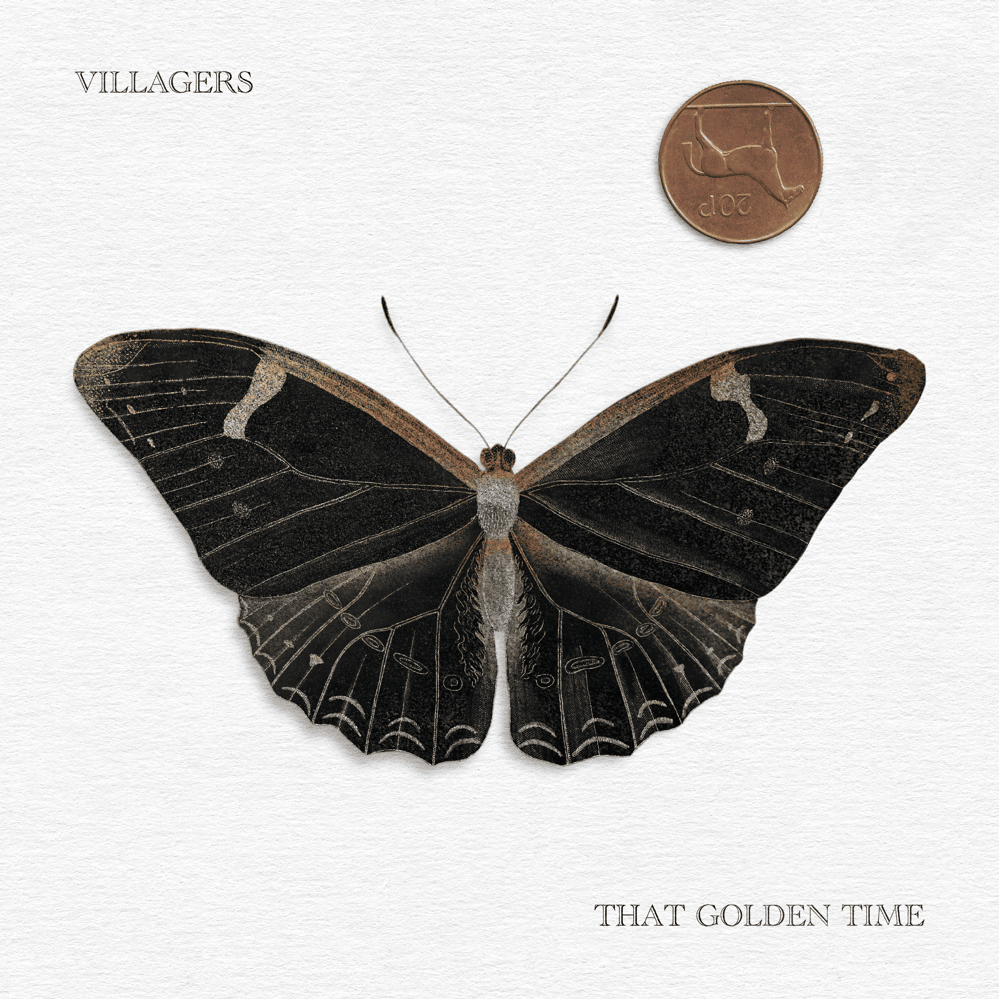
 View Artist