Song Meaning
The lyrics paint a vivid picture of lingering sadness and fragmented memory. The narrator recalls "your sadness" and "your music," but explicitly states that laughter, words, and even time have faded. This creates an immediate sense of loss, where only the emotional residue of a past presence remains, a ghost of feeling rather than a clear recollection. The repetition of "ne" (no/not) emphasizes what is gone, highlighting the selective and painful nature of remembrance.
This absence of concrete details fuels the central tension: the persistent return of a specific, sorrowful memory. The phrase "Tu atkal nāc" (You come again) is repeated, framing the memory not as a passive recall but an active, recurring visitation "across the river of time." The image of the sun both arriving and departing with this presence suggests a cyclical, perhaps inescapable, pattern of remembrance that is tied to the passage of day and night, or perhaps the ebb and flow of the narrator's own emotional state.
The most striking element is the contrast between the vivid emotional recall and the loss of sensory specifics. The narrator remembers "your pulse" but not "your caress" or "your breath." They recall "your music" but not "your voice" or its echo. This deliberate erasure of physical touch and sound, while retaining the core feeling of sadness and the musicality associated with the person, suggests a memory that is more about the emotional impact than the tangible reality of the person. The repeated "nāc, nāc, nāc, nāc" amplifies this sense of an insistent, almost overwhelming return.
Ultimately, the lyrics resonate because they capture the specific ache of remembering someone through the lens of their sorrow, while the details of their presence have dissolved. The final lines, "Tevi man, ai, bet tas vien sapnis" (You for me, ai, but it's just a dream), underscore the painful realization that this recurring memory, however vivid, is ultimately an illusion, a phantom that offers no true solace or connection, only the echo of past sadness.
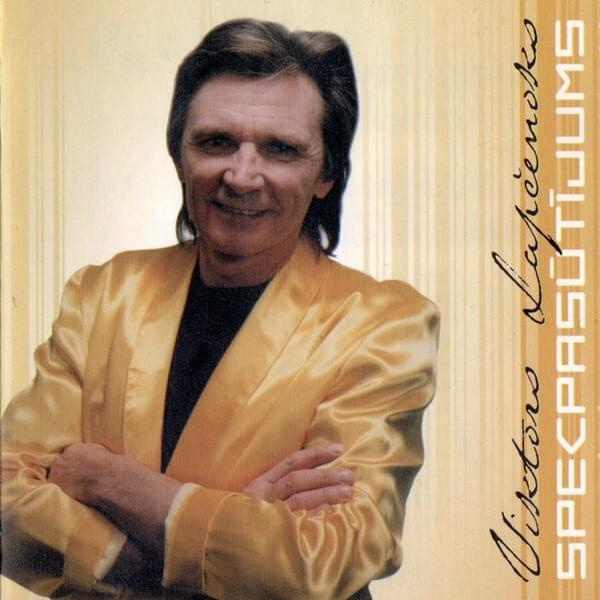
 View Artist