Song Meaning
The lyrics present a stark plea against being confined, specifically rejecting the idea of being "forged into a ring." The narrator insists on a different kind of permanence: "forge me only in the soul." This immediately sets up a central tension between external, material possession and internal, spiritual essence. The image of gold rings, often associated with commitment and value, is here depicted as cold and ultimately imprisoning, a place where individuals "freeze" and get lost. The repeated phrase "gredzenos, gredzenos salst" (in rings, in rings it freezes) emphasizes this chilling lack of life and warmth within such constraints.
The core conflict emerges from the desire for enduring presence versus the fear of being trapped. The narrator observes someone who entered a ring, "hoping for much," only to vanish within its "golden hoop." This cautionary tale highlights the destructive nature of such material bonds, where ambition and hope are swallowed by a gilded cage. The repetition of "pazuda, viņš pazuda, pazuda stīpā" (vanished, he vanished, vanished in the hoop) drives home the tragic finality of this loss, painting a bleak picture of what happens when one commits to a superficial, confining form.
The most striking craft element is the persistent contrast between the cold, static nature of the ring and the desired eternal resonance of the soul. The lyrics directly state that "golden sounds are not for rings," but rather for "freedom." This elevates the soul to a space of true, lasting value and sound, capable of perpetual resonance, while the ring represents a dead end. The repeated plea, "Iekal mani vien dvēselē" (Forge me only in the soul), acts as a powerful refrain, anchoring the song's central argument and emotional weight. It’s a demand for an uncontainable, living legacy over a static, lifeless artifact.
This lyrical construction is effective because it uses concrete imagery – the cold, freezing ring versus the soul that eternally sounds – to articulate a profound emotional and philosophical stance. The narrative of the lost individual in the hoop serves as a potent warning, making the abstract concept of freedom feel urgent and vital. The song resonates by articulating a deep-seated human desire to be remembered and to have an impact, not through ownership or confinement, but through an enduring, uncorrupted inner spirit that continues to 'sound' long after the physical form is gone.
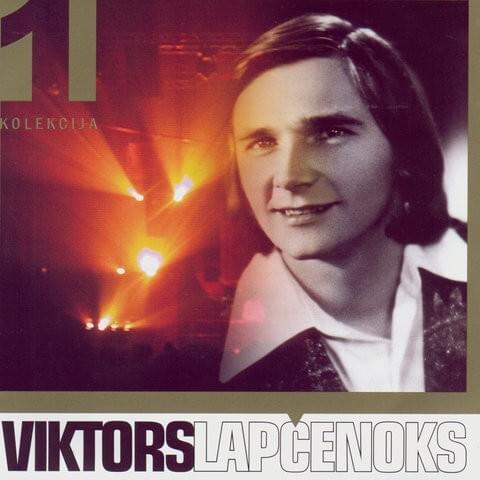
 View Artist