Song Meaning
The lyrics paint a stark, wintry landscape, immediately establishing a tone of cold and impending isolation. The repeated invocation of "Lana" acts as a desperate plea or a cherished memory against the backdrop of a harsh, natural world. The imagery of "pīlādzis sarkans" (rowan red) against the coming snow and the freezing lake "Baltezers" creates a vivid, almost painful contrast between warmth and the encroaching chill. The narrator seems to be bracing for a difficult, cold season, marked by the biting wind and the potential for snow.
The central tension lies in the narrator's vulnerability and their plea for comfort or connection amidst this desolation. The lines "Lai rītos, tais rītos saltos / Tev rokas ir gaismā baltas" suggest a longing for a presence that offers light and peace, a stark counterpoint to the external cold. This desired presence, Lana, is directly asked to provide warmth, as evidenced by the urgent request: "lūdzu, man uguni iekur" (please, light me a fire). The repetition of "mieru man dod" (gives me peace) underscores the deep need for solace.
The most striking aspect of the craft is the juxtaposition of the natural, almost harsh, imagery with the intimate, personal plea. The repeated "Lana, Lana" feels like a mantra, a way to hold onto something vital as the environment turns hostile. The request to keep hands "rokas zem sniega" (hands under snow) from Lana, and then immediately asking her to light a fire, creates a sense of urgency and perhaps a fear of losing that warmth altogether. The final lines, "pīlādzī uguni kur" (light a fire in the rowan), are particularly evocative, suggesting a desire to find or create warmth even within the symbols of the season's end.
These lyrics resonate because they capture a primal human need for warmth and peace when faced with overwhelming external forces. The specific, sensory details of the cold – the freezing lake, the biting wind, the snow – make the narrator's vulnerability palpable. The repeated name and the direct, simple requests for fire and peace create an immediate emotional connection, highlighting how even in the harshest conditions, the memory or presence of another can be a source of profound comfort and a desperate hope.
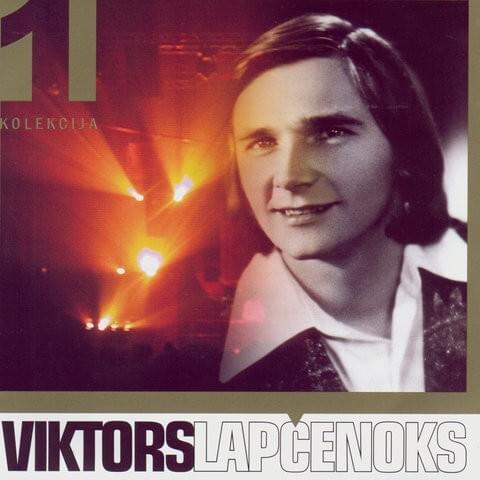
 View Artist