Song Meaning
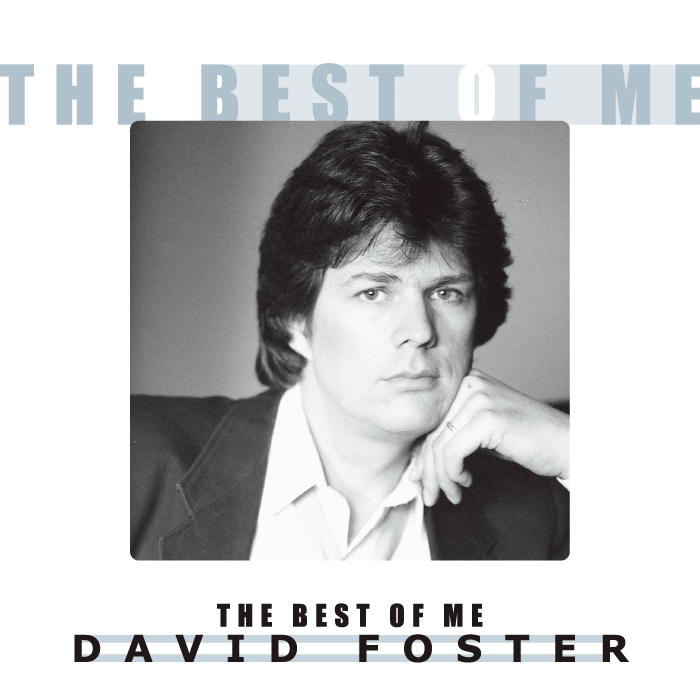
David Foster's "Love At Second Sight" isn't a head-over-heels rush; it's a carefully considered unfolding. The track sidesteps instant gratification, suggesting that true connection requires patience and a willingness to confront inner anxieties. The opening lines, urging listeners to "learn to pace ourselves," immediately sets the tone. This isn't about impulsive romance, but a measured approach to something potentially profound. The "ghost up in the attic" is a clever metaphor for past traumas or insecurities that haunt the present, suggesting that these shadows can fade with time and understanding. It speaks to the human tendency to self-sabotage potential happiness due to unresolved issues.
Foster underscores the importance of internal navigation. The lyrics "learn to trust our hearts / And disregard the voices leading us away" highlight the struggle between intuition and external pressures. Those "voices" could represent societal expectations, past hurts, or simply the fear of vulnerability. The song posits that a "better start" is possible if we actively choose to silence these distractions and trust our own emotional compass. The phrase "love at second sight" itself is a counterpoint to the romantic ideal of love at first sight, implying that genuine love often emerges after initial doubts or hesitations are overcome.
The recurring "morning" motif symbolizes clarity and renewed perspective. The anticipation of laughter in the morning suggests a triumph over present fears. This emphasizes the temporary nature of anxiety and the potential for emotional growth. The song's core question – "if it's gonna end up love" – isn't answered definitively, leaving room for interpretation. It's a question mark hanging in the air, acknowledging that love is a process, not a guarantee. Ultimately, "Love At Second Sight" is a mature and thoughtful exploration of love's complexities, suggesting that the most meaningful connections are often those that require time, trust, and a willingness to face our inner demons.
 View Artist