Song Meaning
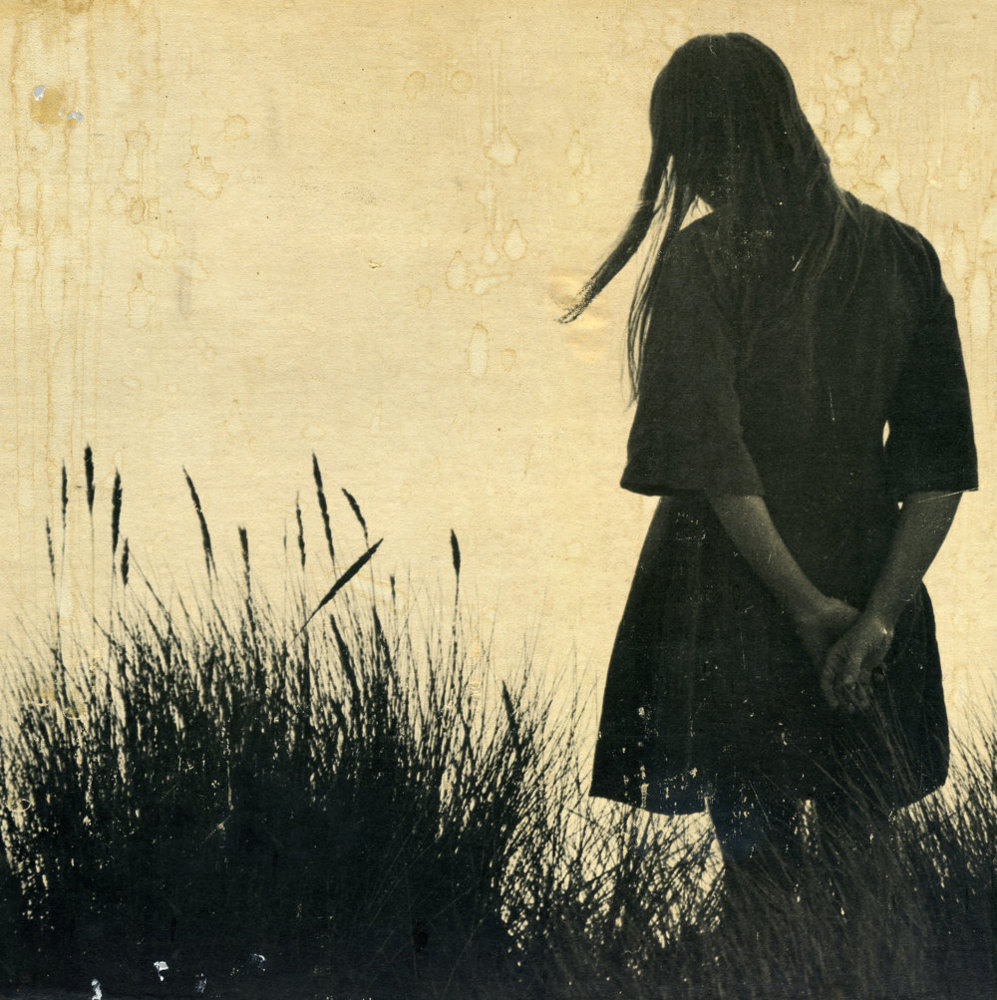
The lyrics paint a picture of a fleeting, almost phantom connection. There's a sense of arrested development, a feeling that true life hasn't begun, underscored by the recurring image of "on and on in sunsets." This phrase evokes a beautiful, yet perhaps stagnant, cycle of moments that never quite solidify into lived experience. The narrator seems captivated by someone who remains perpetually out of reach, a mystery even to herself.
The central tension lies in the other person's elusive nature and the narrator's inability to truly connect. Each time the narrator "found her," she would "run." This pattern suggests a deep-seated fear or avoidance, a defense mechanism that manifests as a "mask her shame in laughter." The laughter itself is a powerful, unsettling detail, shifting from mere amusement to something more desperate and terrifying: "frightened, teary laughter," "dreadful, screaming laughter," and finally, "shameful, laughing horror."
The most striking aspect is the transformation of laughter from a sign of joy to a descriptor of profound distress. The repetition of "laughter" coupled with increasingly negative adjectives highlights a complex emotional state. It's not just sadness; it's a performance of normalcy that cracks under pressure, revealing a deeper, perhaps unbearable, truth. The narrator observes this breakdown, creating a poignant portrait of someone trapped in a cycle of avoidance and internal turmoil.
This lyrical passage resonates because it captures the painful experience of witnessing someone's struggle without fully understanding it, while also feeling the sting of that distance. The specific, escalating descriptions of laughter make the emotional weight palpable, suggesting that true connection requires facing, not masking, one's deepest fears and shame. The "sunsets" become a metaphor for beautiful, transient moments that ultimately fade without leading to genuine growth or understanding.
 View Artist