Song Meaning
These lyrics paint a vivid picture of a world awakening to spring, yet the speaker remains trapped in the cold grip of a past love. It's a poignant reflection on a recent breakup, where the external world's renewal only sharpens the internal ache of loss. The dominant emotional texture is one of deep melancholy, tinged with regret and a stark sense of finality.
The central tension here lies in the cruel irony of the seasons. While "Ide Uskrs i proleće / Sve se budi, cveta cveće" – Easter and spring arrive, everything awakens and blooms – the speaker's personal world remains desolate. This powerful contrast is established early, recalling a time when "Kad smo bili jedna duša," only to confront the present where the beloved now "tuđe šapćeš ime."
The craft truly shines in the relentless repetition of the chorus, hammering home the core message. The vibrant imagery of melting snow and blooming flowers serves as a backdrop for the heartbreaking declaration: "Samo naše usne, dušo / Spojiti se više neće." This direct, almost blunt statement of separation is amplified by the preceding descriptions of life's resurgence, making the personal loss feel even more acute. The repeated emphasis on "duša" (soul) underscores the profound, spiritual depth of the connection that has been severed.
What makes these lyrics so effective is how they leverage universal seasonal change to magnify a deeply personal sorrow. By grounding the emotional devastation in the tangible shift from winter's end to spring's beginning, the writing makes the finality of the broken bond feel inescapable. The contrast between the world's vibrant rebirth and the relationship's irreversible end creates a powerful, resonant ache that lingers long after the words fade.
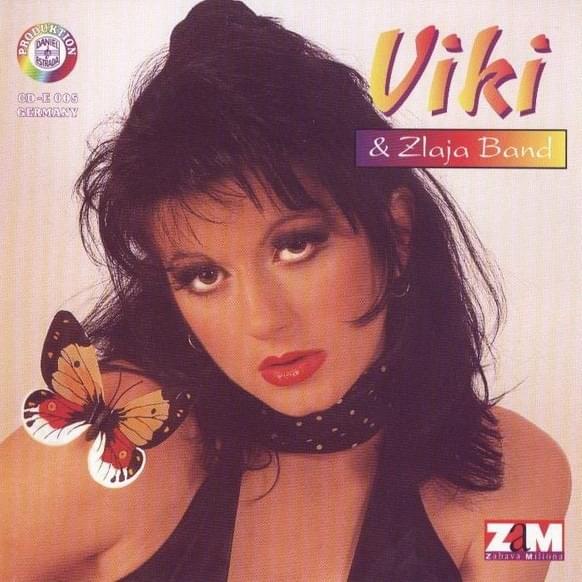
 View Artist