Song Meaning
A familiar flock descends upon the broom handle, just like in the old days. The village folk are already on their way, and the house is without a guard. A birch whisk leans against the wall, also as before. The sauna stove's hatch is left ajar, and a glow already shimmers from behind the wall – Sepedeus's ashes.
The lyrics paint a picture of a scene steeped in memory and stillness, evoking a sense of routine disrupted. The imagery of the flock, the whisk, and the open stove hatch suggests a place that was once active and lived-in, now left unattended. The recurring phrase "Aivan kuten ennen vanhaan" (Just like in the old days) highlights the contrast between past normalcy and the present desolation.
The central tension arises from the juxtaposition of familiar, domestic details with the stark reality of "Sepedeus's ashes." The ashes settling "alas" (down) and covering the foundation "alleen" (underneath) signifies a finality, a covering over of what was. The night sky still smokes, and the familiar flock has vanished, leaving only the oppressive evening air and a "dust hut" that has buried something reminiscent of Sepedeus's ashes. This suggests a profound loss, where the remnants of a person or a past are literally becoming part of the landscape.
The effectiveness lies in the quiet, almost understated accumulation of detail. The lyrics don't shout about tragedy; they present a series of images that slowly build a feeling of absence and decay. The specific, almost mundane objects like the whisk and the stove hatch anchor the abstract concept of ashes and loss in a tangible, domestic space, making the emptiness feel more poignant and deeply felt.
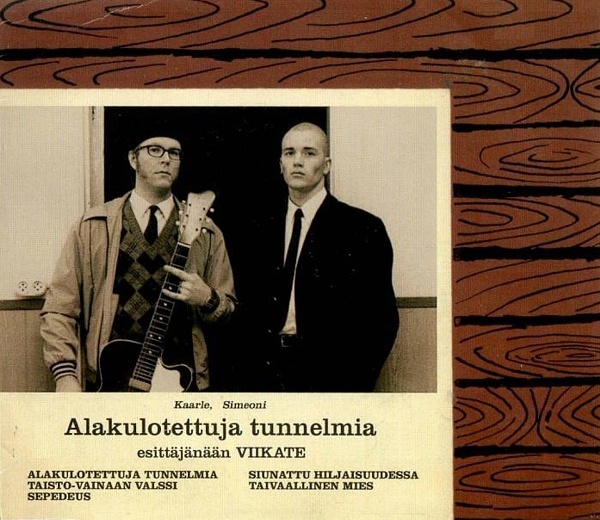
 View Artist