Song Meaning
The lyrics paint a bleak picture of prolonged stagnation and despair, suggesting a feeling that the rain and depression have been ongoing for decades, intensified by the pandemic. The narrator observes a cycle of familiar faces in the neighborhood, many seemingly stuck in a loop of idleness and unfulfilled aspirations, contemplating grand ideas without action while others face severe hardship, sleeping on the streets and relying on alcohol.
The central tension lies in the pervasive sense of being trapped in a desolate environment, characterized by abandoned areas and a general lack of opportunity. The phrase "Un jour à tuer" (A day to kill) becomes a recurring motif, highlighting the aimlessness and the struggle to simply pass the time in a place where even basic needs are met with meager resources. This feeling of being stuck is contrasted with the narrator's own creative output, like releasing an album, and their ironic "vacation" at the foot of their building.
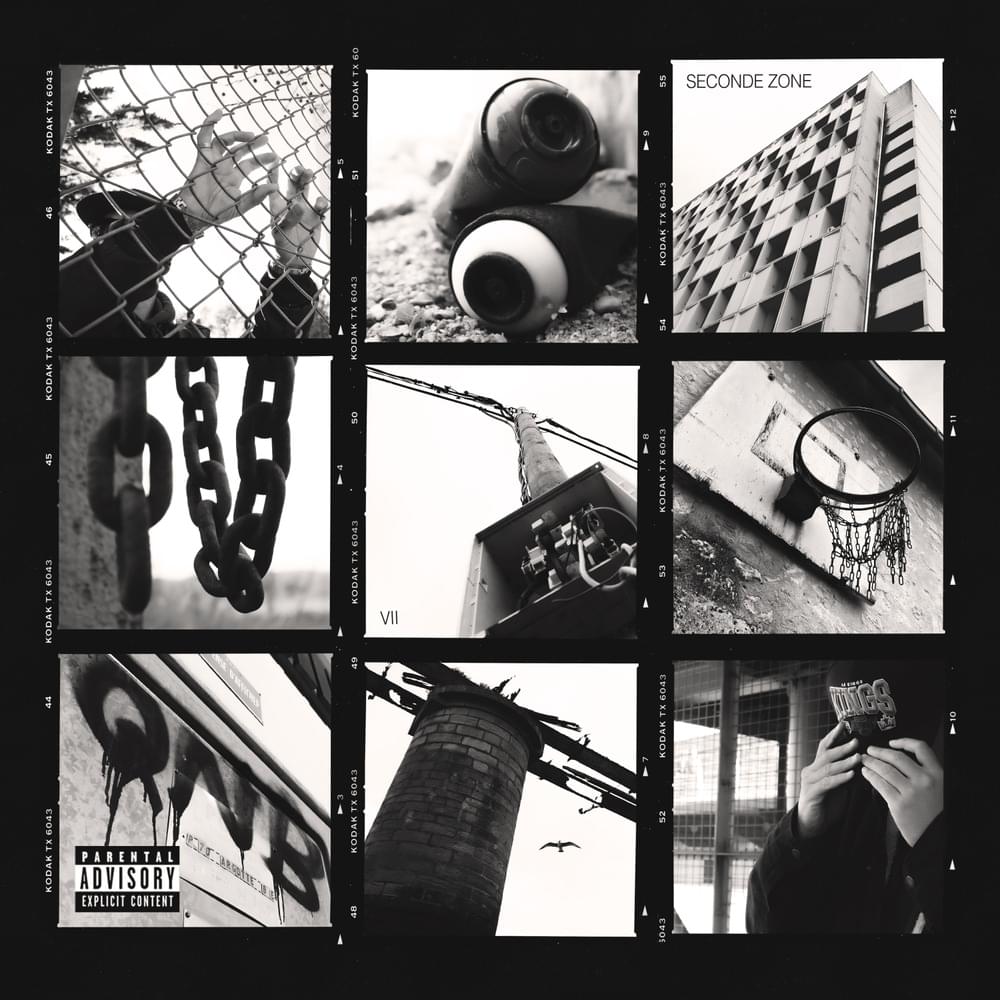
The writing effectively uses stark imagery to convey this atmosphere of decay and resignation. Phrases like "zones à l'abandon" (abandoned zones) and "repères de camés" (drug dens) establish a grim setting. The contrast between those "philosophe[s] quand faut tuer le temps" (philosophizing when needing to kill time) and those "qui passеnt la nuit par terre" (who spend the night on the ground) underscores the social divide and the different forms of suffering present. The final line, "Un.jour à tuer j'abaisse le cran de sécurité" (A day to kill, I lower the safety catch), introduces a chilling ambiguity, hinting at a potential breaking point or a desperate act born from this oppressive environment.
This lyrical construction creates a powerful emotional resonance by grounding abstract feelings of depression and stagnation in concrete, gritty details of urban decay and social neglect. The repetition of "Un jour à tuer" acts as a grim refrain, emphasizing the monotonous struggle for survival and the psychological toll of living in such conditions. The narrator's personal reflections, juxtaposed with the harsh realities observed, amplify the feeling of helplessness and the pervasive sense of a life on hold.