Song Meaning
The lyrics paint a stark picture of absolute devotion and despair following a departure. The narrator is caught in a paralyzing state, unable to move forward or even contemplate life without the object of their affection. The opening lines immediately establish this singular focus: "Y si acaso en mi tu piensas / Piensa que yo... / ...sólo espero tu amor." This isn't just waiting; it's an all-consuming expectation that defines their existence.
The central tension is the unbearable pain of separation, so profound it blurs the line between life and death. The narrator explicitly states, "Desde aquél día en que tu te fuiste / No sé que hacer... / ... si vivir más así / O mejor morir." This isn't hyperbole; it's presented as a genuine dilemma, underscoring the depth of their emotional collapse. The inability to love anyone else, because "Mi corazón... / ...te lo llevaste al partir," solidifies this feeling of being irrevocably broken.
The most striking element is the raw, almost primal declaration of consequence. The repeated phrase, "If you don't come back to me / Baby / Nena / I'm gonna die," is delivered with a chilling finality. It's a direct, unvarnished statement of the perceived outcome of this loss, stripping away any pretense and revealing the raw vulnerability at the core of the narrator's plea. This directness, especially when juxtaposed with the Spanish verses, amplifies the urgency and desperation.
What makes these lyrics hit so hard is their unflinching portrayal of love as a force that can utterly incapacitate. The narrator isn't just sad; they are rendered incapable of functioning, their entire world reduced to the singular hope of return. The repetition of waiting and the stark threat of death create a powerful, almost suffocating atmosphere of dependency and heartbreak.
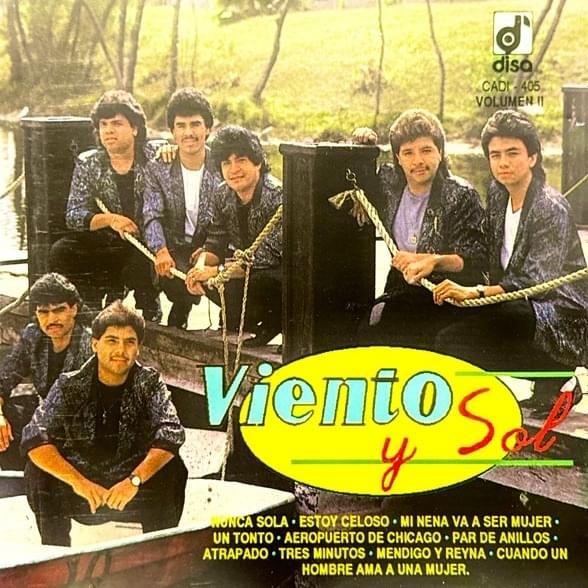
 View Artist