Song Meaning
The lyrics present a defiant questioning of traditional romantic and religious expectations. The narrator initially seeks a "goddess to pray to," but immediately challenges the scarcity of such figures, implying a broader, perhaps more accessible, divinity. This sets up a core tension: the desire for something to venerate versus the suspicion that such ideals are artificially limited or controlled by an unnamed "he."
The central conflict emerges around ownership and worthiness, particularly concerning romantic relationships. The narrator directly confronts the idea that past sexual experience makes them "ugly" or "unholy," especially if they are "not yours to hold." This repetition underscores a deep-seated anxiety about being defined by a partner's possession or approval, pushing back against the notion that their value is contingent on being "his to hold."
The most striking craft element is the cyclical structure and the repeated phrase "If I'm not yours to hold." This refrain acts as both a shield and a challenge, questioning the very premise of romantic ownership. The shift from seeking a goddess to questioning if "they're all his to hold" reveals a growing suspicion that these idealized figures, and by extension, the narrator's own worth, are being claimed or defined by a patriarchal "he."
Ultimately, the lyrics resonate because they articulate a powerful, albeit anxious, reclamation of self-worth. The narrator uses pointed questions and insistent repetition to dismantle the idea that their value is determined by romantic availability or a partner's claim. The writing effectively captures the internal struggle against external definitions, making the repeated assertion "If I'm not yours to hold" a potent declaration of independence.
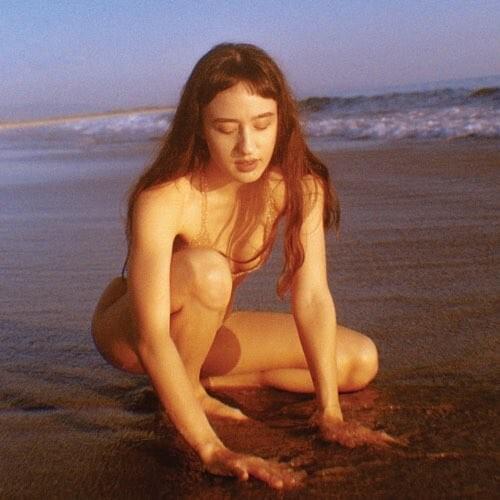
 View Artist