Song Meaning
These lyrics open with a striking temporal echo, marking two pivotal moments exactly 22 years apart, both on September 8th at 2 AM. The first is the speaker's birth in 1999, a scene of parental urgency and a tired ride home. The second, in 2021, finds the speaker, father, and friends embarking on a late-night drive, windows down, in a classic car. It's a quiet, powerful meditation on the passage of time.
The central tension emerges from the stark contrast between these two scenes. The initial couplet depicts a vulnerable beginning: a newborn "fatigué" and a father who "panique." Fast forward two decades, and the scene shifts to an active, shared experience, a deliberate choice to "rouler toute la nuit" with companions. This transition from passive recipient of care to active participant in life's journey, with the father consistently present, anchors the emotional core.
One of the most compelling craft elements is the symbolic shift in vehicles. The speaker's first journey home is in a "vieille voiture rouge," suggesting humble beginnings or perhaps a sentimental memory. By 2021, the group is cruising in a "Porsche blanche de 1981." This isn't just an upgrade; it's a deliberate choice of a classic, perhaps hinting at a return to an earlier era's style or a newfound appreciation for timeless quality, marking a significant evolution in circumstances and perspective.
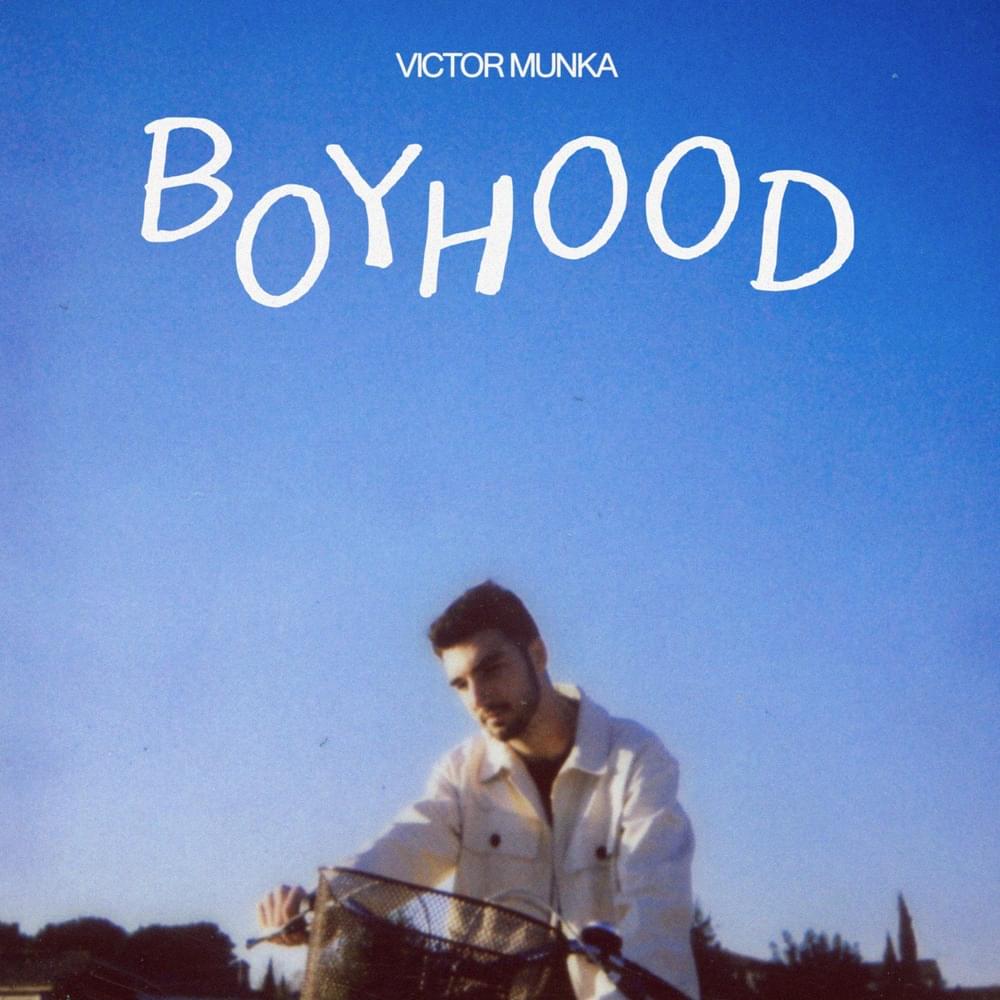
Ultimately, these lyrics are effective because of their precise, almost cinematic framing. The exact repetition of the date and time transforms two seemingly disparate moments into connected chapters of a single narrative. The recurring refrain, "Boyhood / C'est une longue histoire," doesn't just state the theme; it elevates these specific, intimate snapshots into a universal yet deeply personal testament to a life unfolding, full of quiet significance and enduring connections.
 View Artist