Song Meaning
The lyrics of "Cuando acabe este vals" paint a picture of deep yearning, contrasting an idealistic vision of self with a stark, honest self-assessment. The speaker longs for peace, purpose, and the ability to help others, wishing to "sentir el arrullo del mar" and "ser luz y poder alumbrar." This initial stanza establishes a powerful desire for goodness and enlightenment.
The central tension emerges in the chorus, where the speaker hopes to be "un poco mejor" once the metaphorical "vals" concludes. Yet, this hope is immediately tempered by the admission: "puedo caer / Y ser lo que ahora soy." The lyrics reveal a profound internal conflict between aspiration and the recognition of one's inherent human flaws, encapsulated by the poignant line, "Me sobra corazón y falta voluntad."
The most striking craft element is the metaphor of the "vals" itself. This structured dance suggests a current phase or struggle in life, implying a desire for its end to usher in personal growth. The repeated "Quiero" in the opening stanzas builds a powerful sense of longing, which then collides with the vulnerable self-description of being "Bueno a tiempo parcial / Como cualquier mortal," highlighting a relatable struggle for consistent virtue.
These lyrics resonate because they articulate a universal human experience: the perpetual cycle of self-improvement and the often-disappointing reality of falling short. The final stanza reinforces this, comparing the desire to change to the annual ritual of New Year's resolutions, where "Prometemos de nuevo cambiar." It's a bittersweet acknowledgment that while the desire for betterment is constant, the path to achieving it is fraught with imperfection.
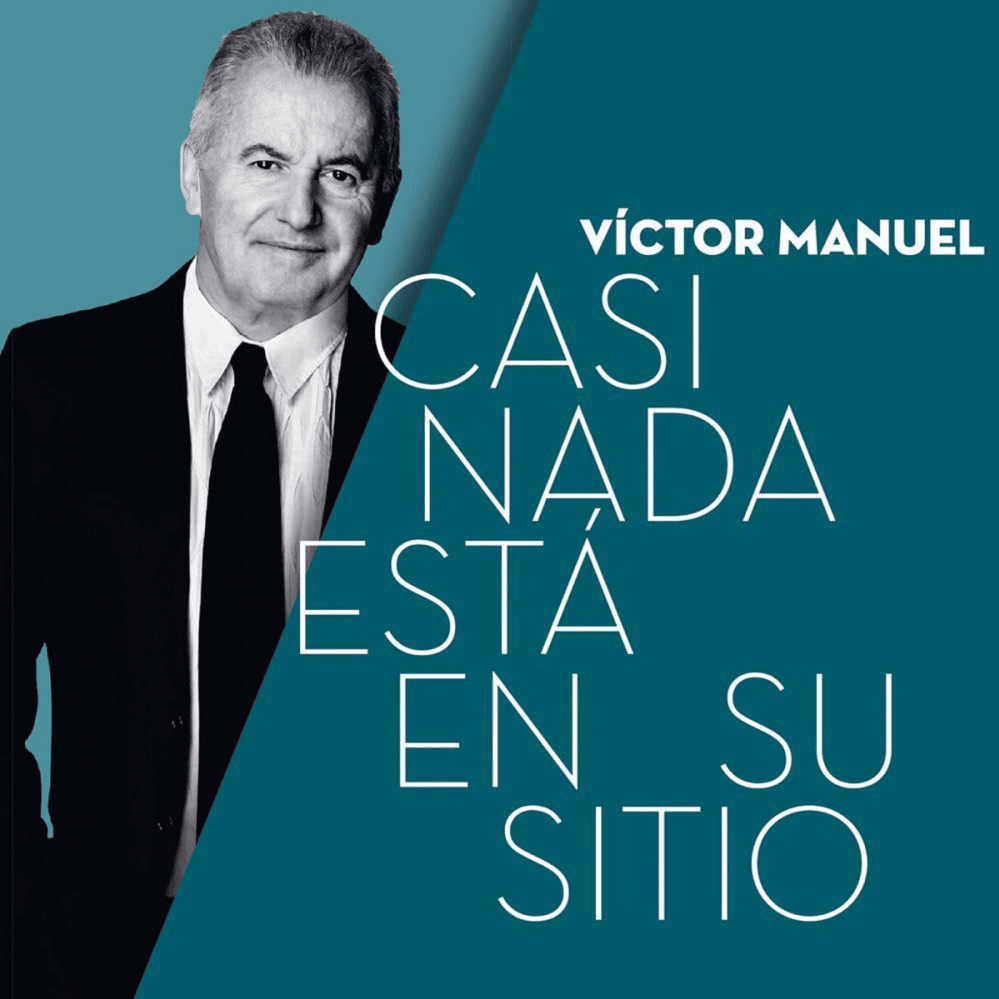
 View Artist