Song Meaning
The lyrics open with a dramatic act of surrender. The speaker sits "in medio del camino," burning his ships and abandoning thought. From this self-imposed "vacío," a song for Pilar emerges. It immediately sets a tone of radical commitment.
Pilar is painted in a series of vivid, often contradictory images. She's compared to elemental forces like "el viento y el mar" and essential needs like "el aire y el pan." Yet, she's also "la soledad" and "un volcán," embodying both comfort and a powerful, potentially disruptive force. This tension suggests a love that embraces complexity, not just simple affection.
The most striking craft element is the use of paradox to define Pilar. She is "el bien y es el mal," and "la mano que me araña / Mi voluntad." This isn't just a lover; she's a force that both sustains and challenges the speaker's very self. The verb "araña" (scratches/scrapes) implies a painful yet irresistible influence, suggesting a profound, almost primal submission to her power.
The lyrics culminate in a declaration of consuming desire. The repeated "Te quiero" feels less like a gentle endearment and more like an urgent plea. The speaker declares "Yo lo socavaré" and sees her as "el río para mi sed." This active, almost forceful imagery of digging deep and consuming her as a river for his thirst reveals a love that is not just passionate, but utterly essential and all-encompassing, willing to delve into the depths of her being.
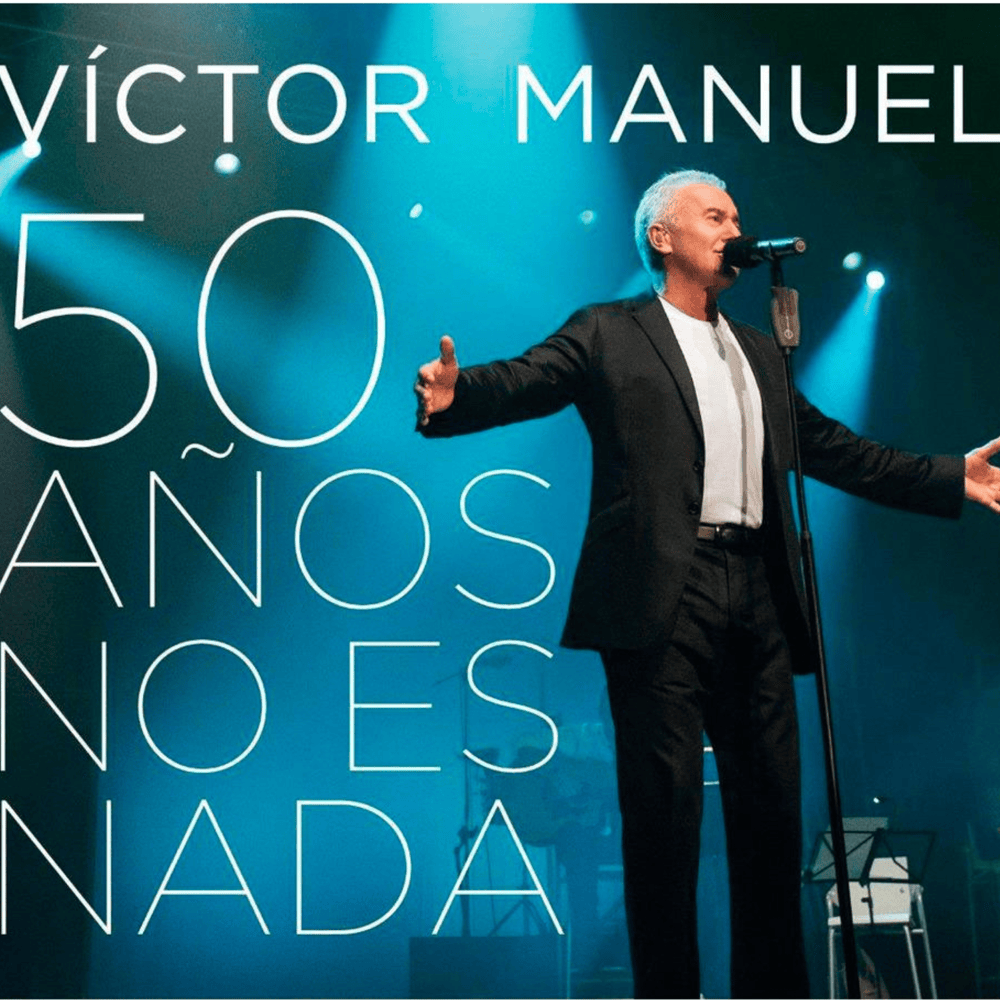
 View Artist