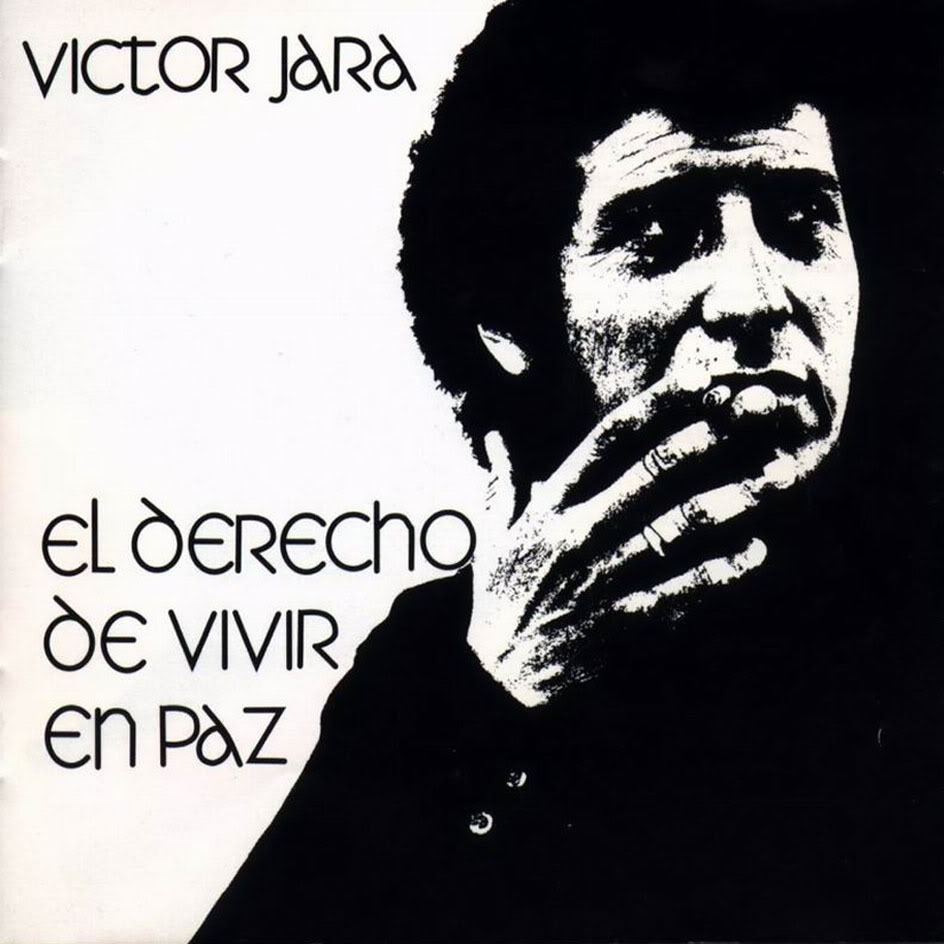
Song Meaning
The lyrics open with a powerful summons, urging the listener to "Levántate y mira la montaña." It's a call to observe the elemental forces of nature—wind, sun, and water—as sources of life and power. This immediate connection to the vastness of the natural world sets a grand, almost spiritual, tone for the urgent message that follows.
A central tension emerges between the individual's potential and a collective struggle against oppression. The narrator addresses a powerful "Tú" who "manejas el curso de los ríos" and "sembraste el vuelo de tu alma," suggesting a divine or deeply influential entity. This powerful address quickly shifts to a plea for liberation: "Líbranos de aquel que nos domina en la miseria," highlighting a clear conflict against an unseen oppressor and a yearning for "justicia e igualdad."
The most striking craft element is the audacious fusion of sacred prayer language with revolutionary imagery. Phrases like "Hágase por fin tu voluntad aquí en la tierra" directly echo religious liturgy, yet they are immediately followed by the stark command, "Limpia como el fuego el cañón de mi fusil." This juxtaposition transforms a traditional plea for divine intervention into a militant call to action, suggesting that the divine will is realized through human struggle and even armed resistance.
The lyrics achieve their impact by grounding abstract ideals in visceral, communal action. The repeated imperative "Levántate y mírate las manos" then "estréchala a tu hermano" powerfully emphasizes solidarity and shared purpose. The ultimate commitment, "unidos en la sangre," culminates in a solemn, almost sacrificial vow, sealed with "Ahora y en la hora de nuestra muerte. Amén," elevating the fight for justice to a sacred, life-or-death endeavor.