Song Meaning
The lyrics open with a direct, intimate address to an unnamed woman, attempting to give her identity through a series of common names before calling her "hermosa" (beautiful). This quickly shifts to defining her by her labor: an "Hilandera morena," a weaver and factory worker. The immediate emotional texture is one of recognition and a gentle, almost tender, acknowledgment of her existence.
A profound tension emerges as the lyrics juxtapose the worker's inherent grace, described as a "pequeña mariposa" (little butterfly), with the harsh reality of her existence. The powerful repetition of phrases like "esclava de la fábrica" paints a stark picture of industrial bondage. This relentless cataloging of her enslavement to the system highlights the dehumanizing nature of her work.
The central image of spinning and weaving becomes a potent metaphor for agency. The insistent, rhythmic command to "Gira muchacha" urges her not just to spin the yarn, but to actively shape her fate. This transforms a mundane, repetitive task into an act of self-determination, suggesting that even within the confines of the loom, she holds the power to influence her future.
Ultimately, the lyrics culminate in a powerful call for collective liberation. The final stanza shifts from individual destiny to shared purpose, emphasizing that "with your hands and the others'" a new reality can be forged. This collective effort promises to "weave fabrics that dress freedom," a striking image suggesting that freedom isn't just achieved, but actively crafted and worn, made tangible through the united labor of those once enslaved by the very same machines.
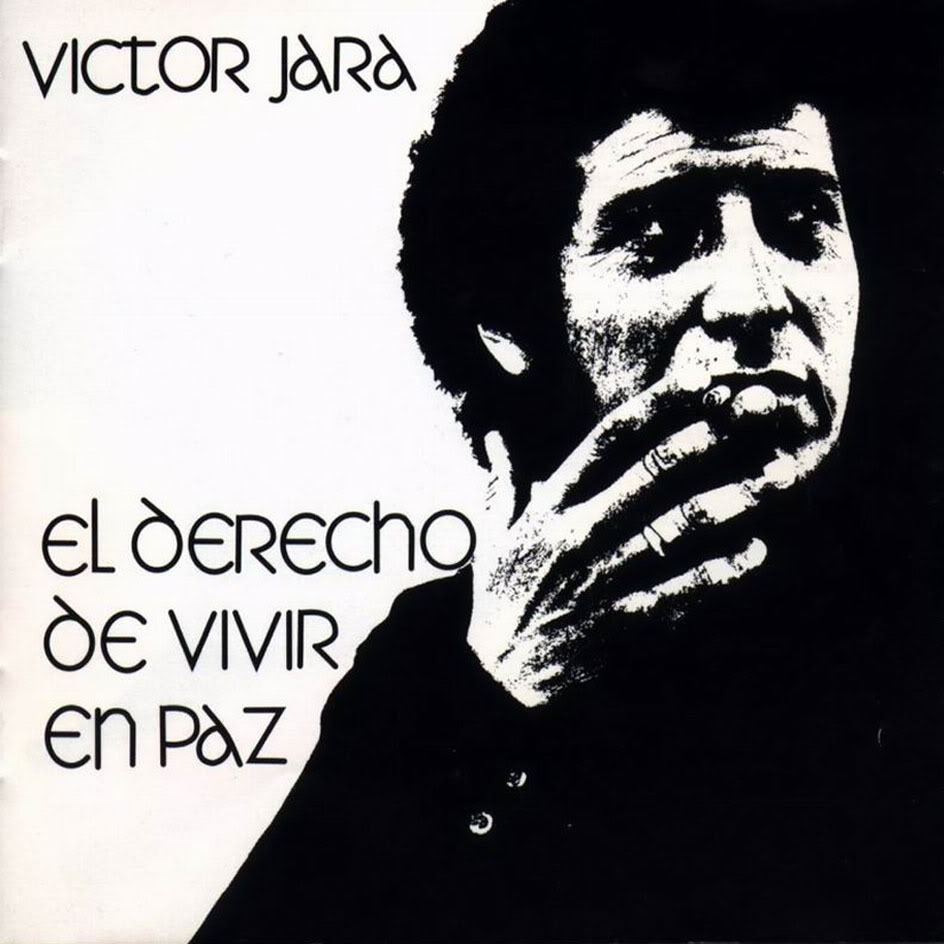
 View Artist