Song Meaning
The lyrics open with a powerful affirmation of an Indigenous speaker's spiritual and daily life, rooted in ancient gods and traditions. This vibrant world, filled with "charqui" and "chicha," is then abruptly shattered. An external force introduces a "nuevo Dios" and a silent book. The emotional shift is immediate, moving from confident belonging to bewildered accusation.
The central tension arises from an irreconcilable clash of understanding. The speaker lives in a world where gods like Inti and Pachacamac are deeply integrated into life, where "pacha" (earth/time) is home. This contrasts sharply with the abstract "nuevo Dios" presented by "runa valverde" and Pizarro. The speaker's plea, "Y en esta pacha quiero vivir," underscores a desire for continuity that is violently denied.
A key craft element is the stark contrast built around the verb "habla" (to speak). The speaker expects direct communication from a deity, stating, "Nada se escucha por más que intento." The new God "quiere callar," and the "libro no habla." This perceived silence from the introduced religion becomes the catalyst for the ultimate, devastating question: "Porqué me matas si no comprendo?"
These lyrics are effective because they ground a monumental historical conflict in a deeply personal, bewildered voice. The speaker's inability to comprehend the new faith, framed as a failure of the "libro" to "hablar," is met with brutal, incomprehensible violence. This direct, first-person account powerfully conveys the human cost of conquest, where a lack of understanding is met not with explanation, but with death.
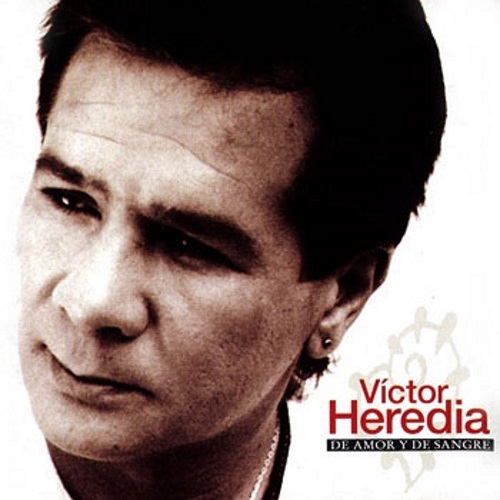
 View Artist