Song Meaning
The lyrics for "Friends" immediately establish a defiant stance against societal pressures. They paint a clear picture of a world where the value of human connection is constantly challenged by the demands of work and wealth. The speaker champions authentic relationships over material gain, setting up a core conflict. It's a stark choice: community or isolation.
The central tension here is the clash between genuine human connection and the corrupting influence of money and power. The lyrics highlight a society where "work to be done" overshadows personal bonds, leading to a chilling observation that "lust for money has turned people numb." This creates an emotional landscape where true friendship is a rare, precious commodity constantly under threat from external forces. The speaker's preference to "be poor and live with my friends" rather than "be rich and die all alone" powerfully articulates this struggle.
The most striking craft element is the escalating contrast and the direct, almost accusatory shift in perspective. Initially, the critique is broad ("They tell us," "people numb"), but it sharpens with the chilling line, "They'd kill if the price was right." This sets up the idealized vision of friendship as a balm for "hard times" and a source of "love that will last." The final stanza then pivots sharply, directly addressing a "you" who "lost all your friends / Because of this game," culminating in the devastating realization that "the friends that you bought / Aren't even the same." This direct address makes the abstract critique intensely personal.
These lyrics are effective because they don't just state a preference; they build a compelling argument for the intrinsic value of friendship against a backdrop of societal decay. The blunt, unromanticized language about greed and power makes the counter-argument for connection feel even more urgent and vital. By contrasting the fleeting nature of bought relationships with the enduring "feeling of love that will last" from real friends, the writing delivers a potent, cautionary message. It forces the listener to consider the true cost of prioritizing material success over genuine human bonds.
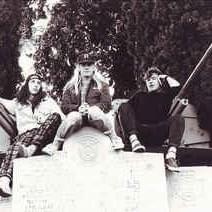
 View Artist