Song Meaning
The narrator pores over "your blue letters," a phrase that immediately conjures a sense of gentle, perhaps melancholic, remembrance. These aren't just words; they're "tender memories" that transport the narrator back in time, specifically to the "early morning hours" as they reflect. The dominant emotion is a deep longing, tinged with the pain of absence, as the letters speak of "a thousand things" but crucially, do not speak of return.
The core tension lies in this one-sided communication and the narrator's enduring hope against fading reality. The letters are a lifeline, a way to "resurrect" the absent person "a lifetime" at a time, yet they offer no tangible promise of reunion. This creates a poignant paradox: the written word brings the person close, yet simultaneously emphasizes their physical distance and the narrator's stagnant state of waiting. The repeated refrain, "I wait a lifetime, but miracles don't happen," underscores this struggle between persistent devotion and the dawning, painful acceptance of impossibility.
The lyrics masterfully employ the "blue letters" as a recurring motif that shifts in emotional weight. Initially, they represent tender memories, but by the second verse, each word becomes a "dagger." This sharp contrast highlights how the very things that once offered comfort now inflict pain, as the narrator questions their own fault: "What have I done wrong?" The act of reading, once a source of solace, is now an agonizing ritual that brings tears, amplifying the heartbreak.
This emotional arc is incredibly effective because it grounds profound sadness in a concrete, relatable act of rereading old correspondence. The specific imagery of "blue letters" and the visceral metaphor of words as "daggers" make the narrator's pain palpable. The lyrics don't just state sadness; they show it through the narrator's actions and the evolving meaning of the letters, creating a powerful portrait of love and loss that lingers long after the words are read.
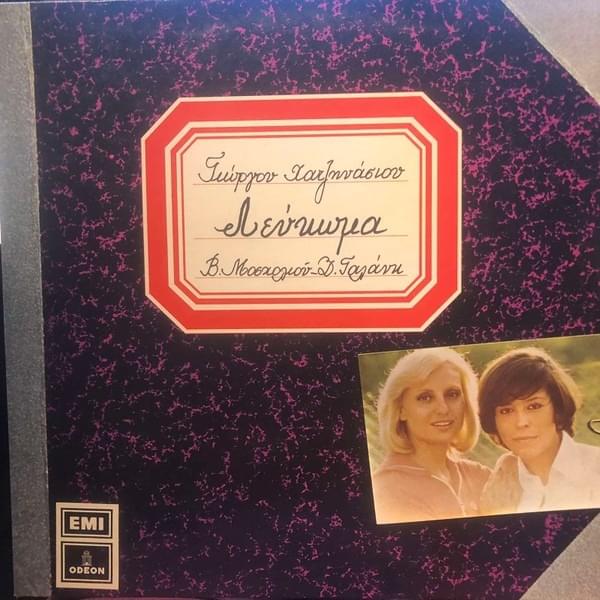
 View Artist