Song Meaning
The lyrics paint a picture of childhood as a state of pure, unadulterated wonder. An infant is presented as someone who can pluck a dream from the air, bring it to their lips, and then sing it into existence. This initial image sets a tone of almost magical possibility, where even silence can be heard and tears can transform into precious gems. The narrator observes this child's uninhibited joy and sorrow, noting how their emotional responses are deeply intertwined with the adults around them, especially their tears. The child sleeps with "gold under eyelids," a metaphor suggesting a rich inner world or the promise of future dreams, designed to inspire those watching.
The central tension arises from the contrast between this innocent, dreamlike existence and the inevitable march of time and maturity. While the child listens to the blackbird's song and questions the nature of clouds, they are also the "last poet" in a world obsessed with growing up. This implies a loss of that poetic sensibility as one ages. The lyrics suggest a poignant awareness that this childlike perspective, so attuned to nature's subtle melodies and the magic of existence, is fading. The child's questions about clouds and concern for fallen snow highlight a deep empathy and curiosity that the adult world seems to have abandoned.
The most striking craft element is the repeated refrain, "Un enfant." Each instance acts as a pivot, either describing the child's inherent qualities or marking a stark transition into adulthood. The shift is palpable in the final stanza, where the presence of "a child" triggers a series of realizations for the adult observer: "we flee childhood," "we are passers-by," "we are patience," and finally, "we are past." This progression powerfully illustrates how the memory or presence of a child forces adults to confront their own lost innocence and the fleeting nature of their own lives.
These lyrics resonate because they tap into a universal feeling of nostalgia for a time when the world felt boundless and full of magic. The writing doesn't just state this; it *shows* it through vivid, almost surreal imagery like "crying diamonds" and "gold under eyelids." By juxtaposing the child's unburdened perception with the adult's melancholic self-awareness, the song captures the bittersweet ache of looking back. It’s the specific, almost tangible details of the child's world that make the adult's sense of loss so profound and relatable.
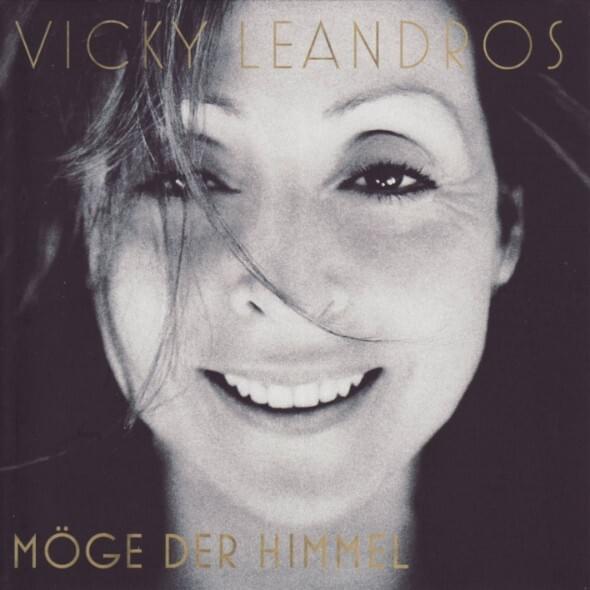
 View Artist