Song Meaning
Vicentico's "La Deuda" ripples with a quiet desperation, a yearning for a lost natural world. The lyrics paint a stark contrast between a vibrant past and a desolate present. He sings of a river, once teeming with life and color, now vanished. The "deuda" (debt) isn't explicitly defined, but it strongly implies a collective responsibility for environmental degradation. It's a debt owed to nature, to future generations, and perhaps even to the singer's own soul. The repetition of wanting to "volverlo a encontrar" (find it again) underscores the depth of this longing. It's not merely about restoring a physical river; it's about rediscovering a connection to something vital that has been lost. The imperative "Despertá y viajá" (Wake up and travel) acts as a call to action, urging listeners to seek out what has been forgotten and to actively participate in its revival. The phrase "siempre hay rumbo hacia el mar" (there is always a course to the sea) delivers a glimmer of hope, suggesting that even in the face of loss, a path toward renewal remains.
The imagery of the river "bajo la tierra" (under the earth) evokes themes of repression and the hidden consequences of environmental neglect. The river's disappearance symbolizes not only ecological damage but also a deeper spiritual or cultural impoverishment. The vibrant "piedras, tantos colores que mirar" (stones, so many colors to look at) represent the richness and beauty of the natural world that has been sacrificed. The river's constant flow, "siempre bajando sin parar" (always going down without stopping), mirrors the relentless march of time and the irreversible nature of some environmental changes. The song subtly critiques a society that prioritizes short-term gains over long-term sustainability.
Ultimately, "La Deuda" functions as a poignant lament and a call for ecological awareness. Vicentico uses simple, evocative language to tap into a deep sense of loss and responsibility. The song doesn't offer easy answers or solutions, but instead invites listeners to confront their own complicity in the environmental crisis and to actively seek a path toward healing and restoration. The persistent search for the vanished river becomes a metaphor for the broader human quest to reconnect with nature and to reclaim a sense of balance in a world increasingly dominated by technological advancement and environmental exploitation. It's a debt that demands to be paid, not just with financial resources, but with a fundamental shift in perspective and a renewed commitment to environmental stewardship.
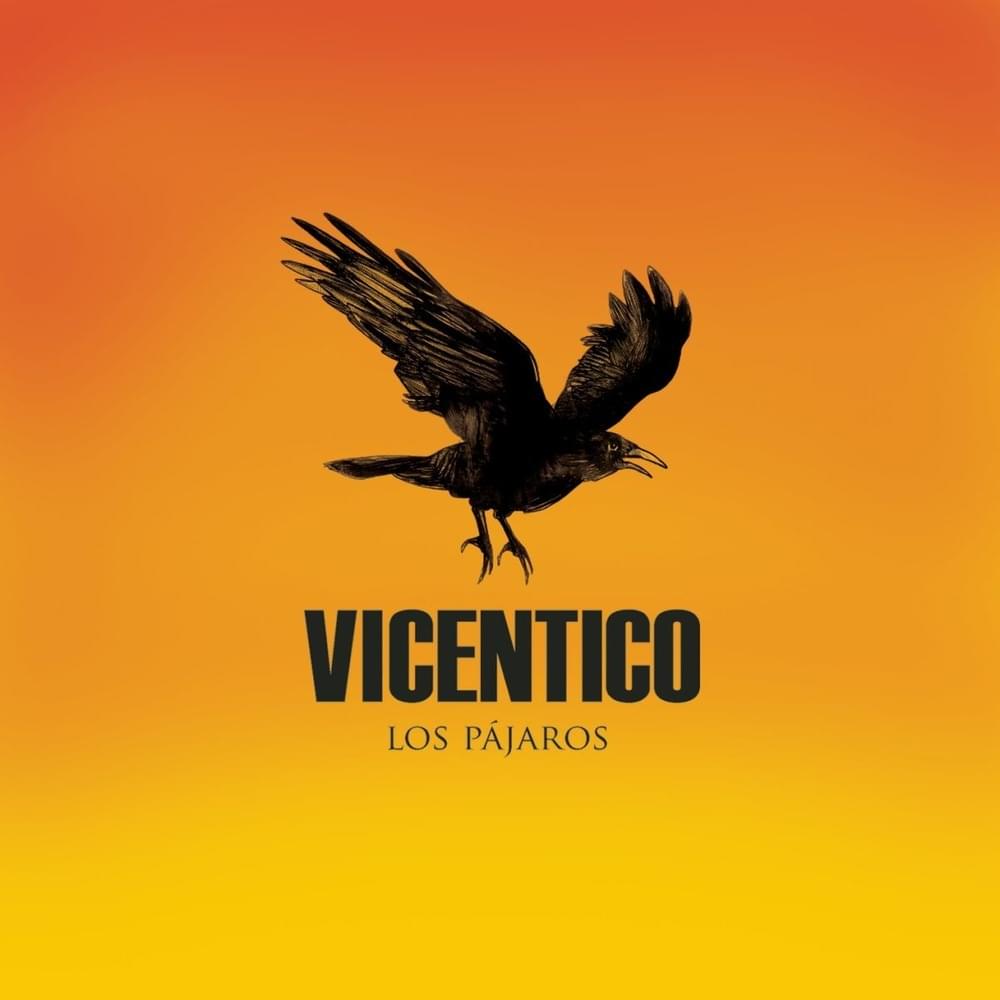
 View Artist