Song Meaning
Vicente Fernández's "No debio volver" captures the raw ache of a past love's fleeting return. The narrator recounts how a former lover, after a long absence, briefly reappeared, asked about him, and then vanished again. This brief re-entry into his life, far from offering closure, only intensifies his original pain. The central, heartbreaking declaration is clear: "No debio volver" (She shouldn't have come back).
The emotional core of the lyrics lies in the narrator's profound confusion and rhetorical questions. He grapples with the paradox of her return: "Si se iba a volver pa´que regreso" (If she was going to leave again, why did she return?). Her act of asking for him and crying upon hearing his name suggests lingering feelings, yet her subsequent departure leaves him bewildered and hurt, deepening the wound that had perhaps begun to heal.
Craft-wise, the song masterfully employs repetition and a sense of cyclical despair. The phrase "Desde que se fue la primera vez" anchors the narrative, emphasizing the enduring impact of that initial departure. The narrator admits, "Empeze a beber," a coping mechanism he resumes with a grim, almost fatalistic acceptance: "pa´no variar / Yo volví a beber." This stark honesty, coupled with the interjection "el destino es cruel," paints a picture of a man trapped in a loop of sorrow and self-medication.
Ultimately, the lyrics are effective because they articulate a universal, yet deeply personal, experience of missed connection and exacerbated grief. The brief flicker of hope, followed by the swift, inexplicable second departure, creates a poignant sense of helplessness. The direct, almost conversational language, especially in the rhetorical questions, allows the listener to feel the narrator's confusion and the crushing weight of a love that, by returning, only made its absence more unbearable.
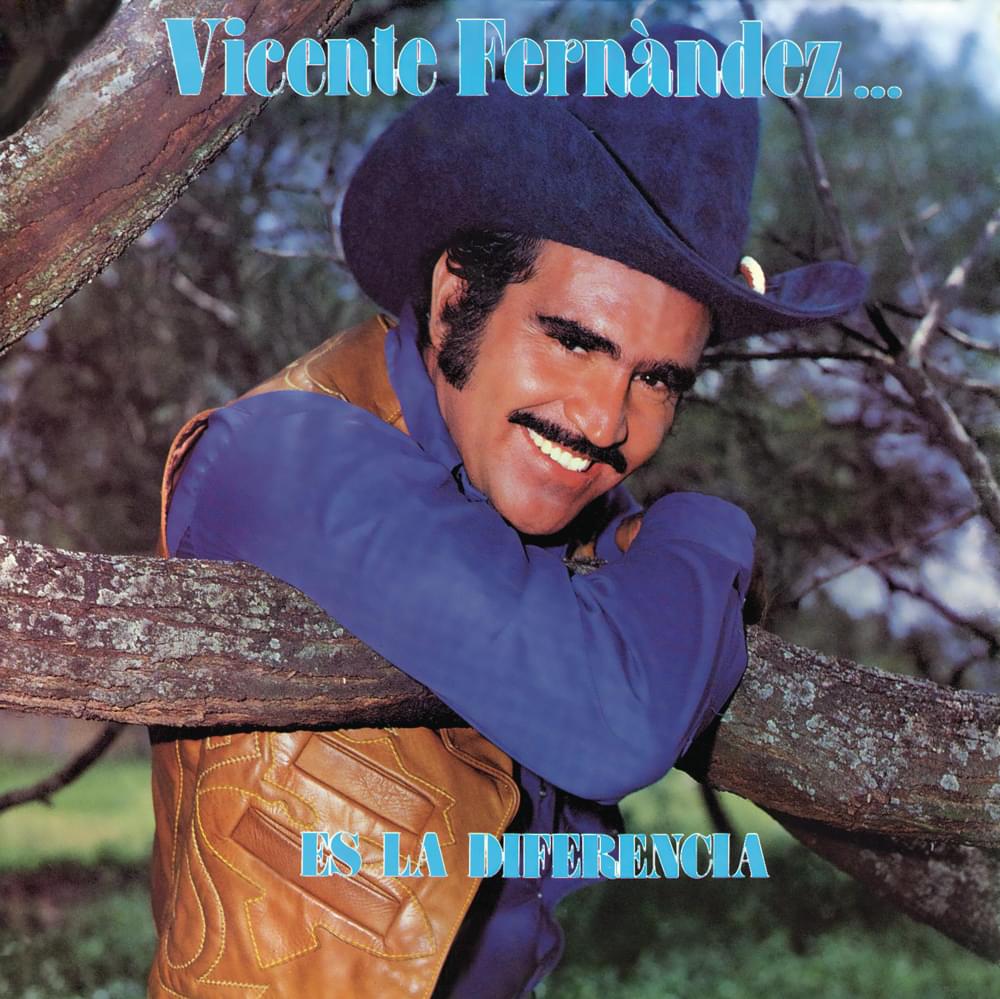
 View Artist