Song Meaning
The speaker opens with an astonishing act of surrender. "Las llaves de mi alma" (The keys to my soul), they declare, offering complete, unconditional access. This isn't just an invitation; it's a profound, immediate vulnerability, setting a tone of intense devotion.
Yet, beneath this open-hearted gesture lies a deep, unsettling conflict. The narrator admits, "Ya he tratado de sacarte de mi vida," immediately contradicting the initial surrender. More strikingly, they confess, "Yo no puedo quererte limpiamente," suggesting an awareness of a complicated or perhaps even unhealthy attachment, a love that defies simple purity.
This internal battle finds its philosophical anchor in a powerful, almost resigned justification: "Si el corazon no ve tan solo siente" (If the heart doesn't see, it only feels). This line elevates the personal struggle, framing love as an inherently irrational force that operates beyond logic or sight. The repetition of this core dilemma, along with the speaker's attempts to remove the beloved, emphasizes the cyclical, inescapable nature of their emotional bind.
The effectiveness of these lyrics stems from their raw honesty and the speaker's unwavering commitment despite acknowledged flaws. The vivid imagery of carrying "Tu boca tu ojos y tu pelo" in their mind "noche y dia" paints a picture of obsessive, all-consuming presence. Ultimately, the defiant plea, "No me pidas / Que deje de quererte," solidifies a love that is messy, perhaps imperfect, but utterly non-negotiable, resonating with anyone who understands love's stubborn, illogical grip.
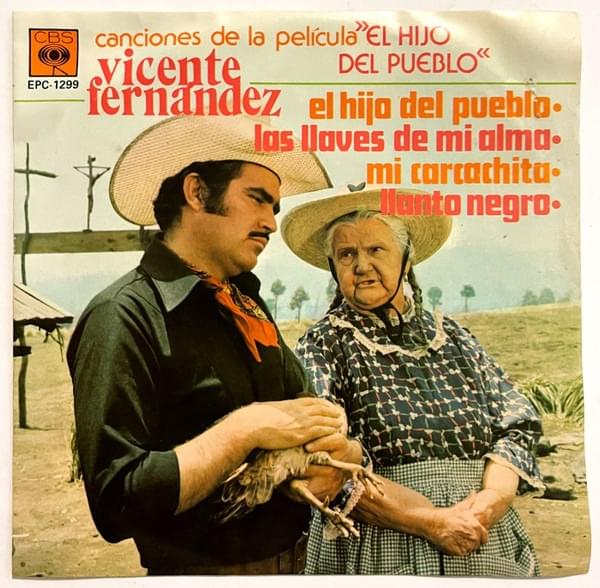
 View Artist