Song Meaning
Vicente Fernández's "Con uñas y dientes" immediately plunges listeners into a world of defiant, protective love. The title phrase, meaning "with claws and teeth," sets a visceral tone. This isn't a gentle romance; it's a battle cry for a bond under siege. The lyrics paint a picture of two people fiercely united against external threats.
The central tension arises from these clearly identified antagonists: the "vendibles" (corruptible ones), the "embusteros" (liars), and later, "ese montón de envidiosos" (that bunch of envious people). These external pressures don't weaken the love; instead, they seem to forge a stronger, more resolute connection, creating an intense "us against the world" dynamic that fuels the narrator's protective instincts.
A particularly striking element is the paradox in the line, "Nuestro amor esta cautivo / De nuestras almas ya no se sale." Love is described as "captive," yet this isn't a negative confinement; it suggests an unbreakable, inescapable bond, permanently etched into their very souls. This deep, tender core is what the narrator vows to defend with such ferocity, even invoking the romantic image of riding "en el corcel del amor sincero" (on the steed of sincere love) as a counterpoint to the venomous outside world.
The repeated pleas to "Agárrate de mi mano" (Hold my hand) and "Protégete del veneno" (Protect yourself from the venom) act as powerful anchors, reinforcing the necessity of mutual support and vigilance. The hyperbolic declaration, "Que se caiga el mundo entero" (Let the whole world fall), repeated for emphasis, powerfully conveys an absolute, unwavering commitment. It's a defiant pledge that their love will endure, no matter the cost.
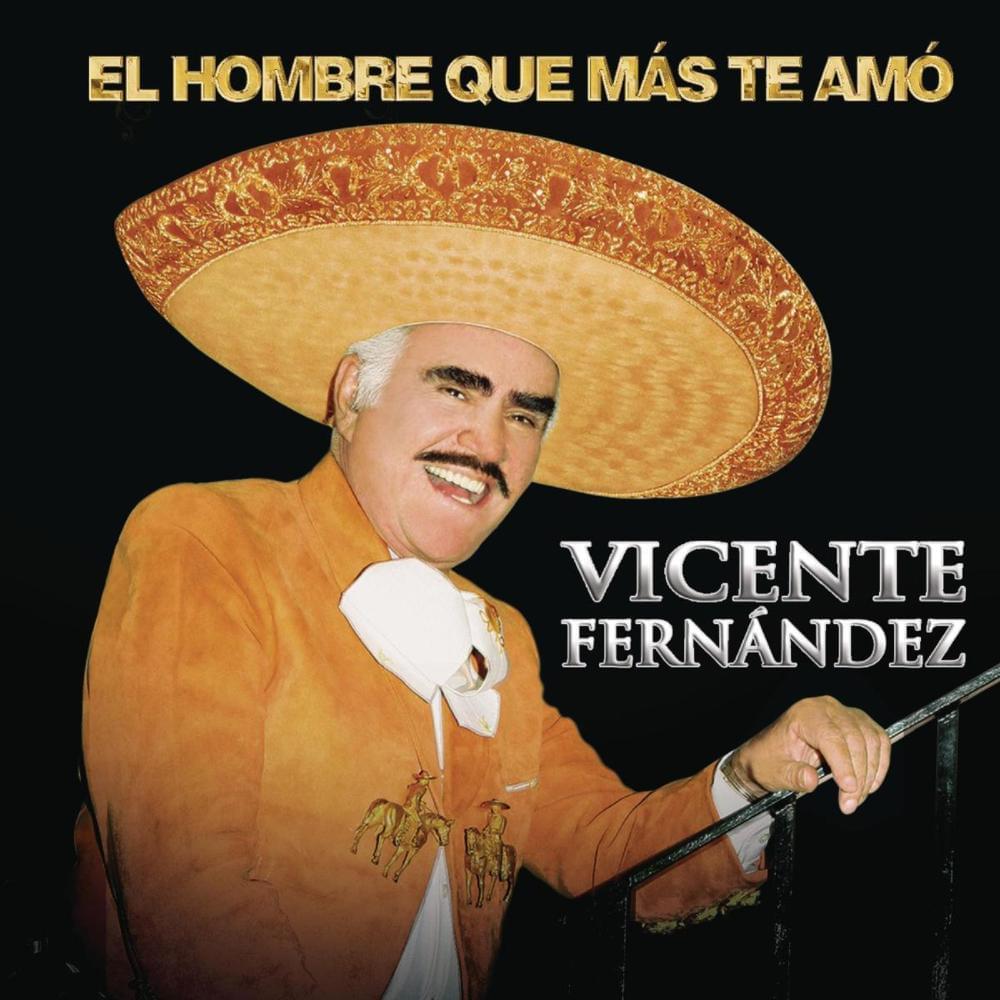
 View Artist