Song Meaning
These lyrics paint a vivid picture of a mesmerizing dancer, Antonio, whose skill is undeniable. The narrator watches, captivated, declaring, "Mi primo antonio que bien me baila" (My cousin Antonio, how well he dances). Yet, this admiration is immediately tinged with a deep, almost unbearable sadness.
The central tension here lies in the profound contrast between the physical grace of the dance and an underlying emotional weight. The lines suggest that Antonio's memories "le encoge el alma" (shrink his soul), implying a deep, personal sorrow that fuels or is expressed through his movement. This isn't just a performance; it seems to be a visceral response to an internal burden.
The relentless repetition of key phrases and the imagery of dancing "al alba a la noche y la noche al alba" (to dawn to night and night to dawn) create a hypnotic, almost ritualistic atmosphere. This cyclical movement suggests an endless, almost desperate quality to the dance, as if Antonio is caught in a timeless loop, perhaps trying to outrun or embody his pain through constant motion.
Ultimately, the lyrics become deeply effective through a poignant shift in perspective. While Antonio's memory "shrinks his soul," the narrator confesses, "mi primo antonio me parte el alma" (my cousin Antonio breaks my soul). This reveals the profound empathy of the observer, suggesting that witnessing Antonio's beautiful, sorrow-laden dance is an experience so intense it shatters the narrator's own heart, making the heartbreak a shared, almost infectious burden.
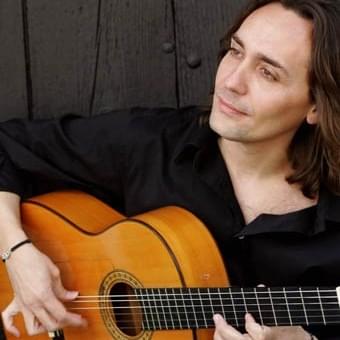
 View Artist