Song Meaning
These lyrics paint a stark picture of societal collapse, framing a modern financial reckoning as a catastrophic "great fire of London." The opening lines immediately establish a scene of privileged elites—"networking yuppies and the same old boys"—who once felt secure in their "glass houses of high finance," now facing an inescapable "change of circumstance."
The central tension erupts with biblical force: "Walls of jericho tumble down," suggesting a sudden, divinely-ordained destruction. The imagery of a river flooding the underground and the blunt declaration, "You can't buy your way out of this one," underscore the overwhelming and inescapable nature of this crisis. The lyrics directly accuse these "Ruthless and Godless material men" of actively ensuring "the meek inherit nothing," highlighting their past cruelty towards "waifs and strays" and the chilling detail of having "pissed on the homeless in shop doorways."
The craft here is particularly sharp in its use of historical and religious allusions. The repeated refrain of "the great fire of London" isn't just a title; it's a powerful metaphor for a cleansing, destructive force. The line "The first are last" echoes ancient scripture, signaling a profound reversal of fortune and a karmic justice. This isn't just a disaster; it's a monument to "a world gone wrong," feeding an "inferno till kingdom come."
Ultimately, the lyrics deliver a brutal, satisfying punch of retribution. By invoking "Corpses at smithfield where martyrs burned" and linking it to "Political deaths because you never learn," the narrative suggests a cyclical, self-inflicted wound. The final, visceral couplet—"You screwed the world / Now the world screws you"—leaves no room for ambiguity, cementing the idea that this fiery reckoning is a direct consequence of past injustices, making the downfall feel both earned and inevitable.
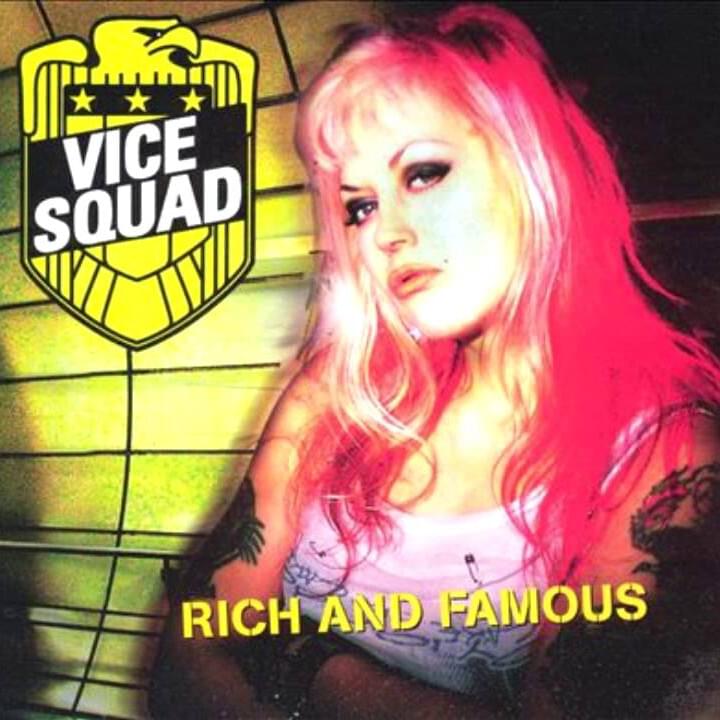
 View Artist