Song Meaning
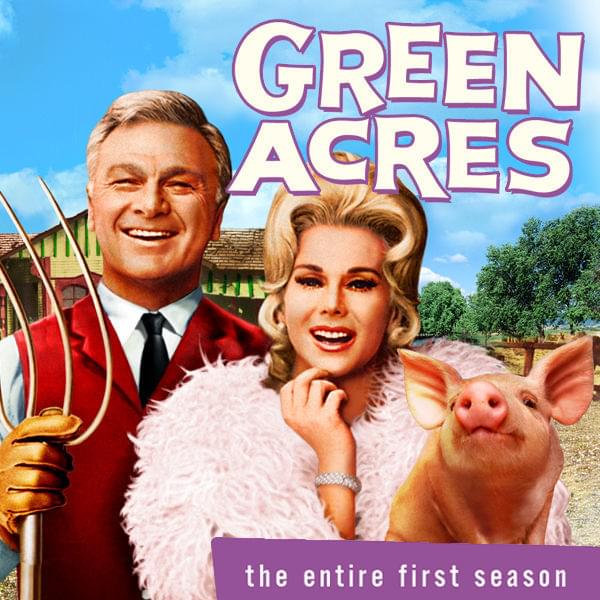
The lyrics present a stark contrast between the allure of country living and the undeniable pull of the city. Initially, the narrator declares, "Green acres is the place for me," painting a picture of expansive land and a rejection of urban hustle. This idyllic vision is immediately challenged by a counter-narrative, highlighting a preference for "New York" and the sophisticated comfort of a "penthouse view." The song sets up a fundamental tension between these two worlds.
The core conflict emerges from the narrator's conflicting desires. While one voice champions the "farm livin'" and "countryside," another admits to being "allergic smelling hay" and longing for "Park Avenue." This internal debate is further emphasized by the rapid-fire juxtaposition of rural "chores" and "fresh air" against the urban excitement of "stores" and "Times Square." It’s a battle between perceived peace and ingrained urban habit.
The most striking element is the abrupt shift in perspective and the implied narrative. The initial declaration of love for the countryside is undercut by the second verse's clear preference for city life. The final lines, "You are my wife / Good bye, city life / Green Acres we are there," suggest a capitulation, possibly to a partner's wishes, rather than a genuine change of heart. The narrator seems to be going along with the move, despite their stated reservations.
This creates an effective, albeit simple, comedic tension. The humor lies in the narrator's thinly veiled reluctance to embrace the "farm livin'" they are supposedly moving towards. The lyrics capture a relatable feeling of being pulled in different directions, where external circumstances or relationships might dictate a path one doesn't entirely embrace, making the final, resigned "we are there" land with a knowing, slightly exasperated sigh.