Song Meaning
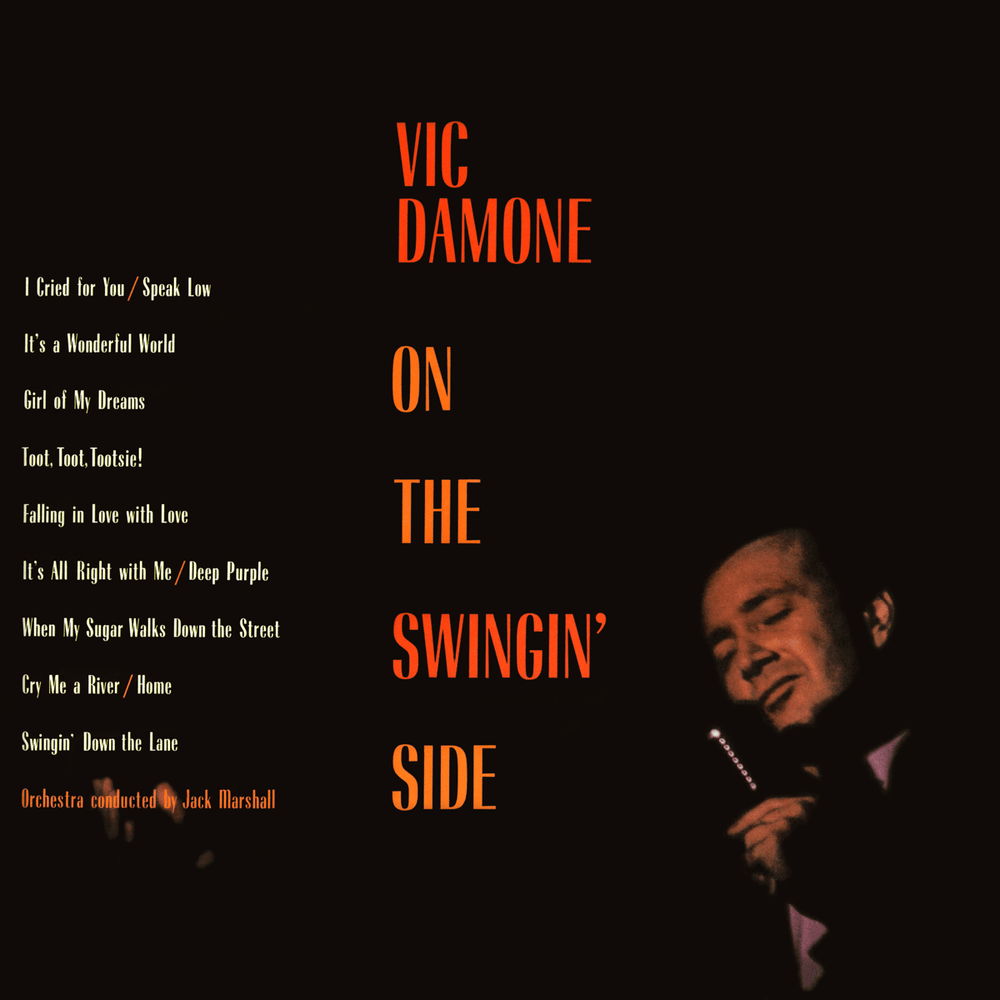
Vic Damone's "Swingin' Down the Lane" isn't just a stroll; it's a yearning for lost connection, a melancholic waltz through the ghost of shared intimacy. The song paints a picture of communal joy, a scene of 'everybody hand-in-hand,' immediately juxtaposed with the singer's profound isolation. This contrast is the engine of the song's emotional power, highlighting the acute absence of a specific 'you' amidst a world awash in togetherness. It's a particularly adult kind of loneliness, less about being alone and more about being alone *while* surrounded by the very thing you lack. The bliss he misses isn't just general happiness, it's the specific, irreplaceable joy of a past relationship.
The lunar imagery acts as a cyclical reminder of this loss. The moon 'on the rise' triggers his blues, a painful echo of shared romantic gestures. Even as the moon 'is on the wane,' symbolizing a natural decline and fading, his waiting persists 'all in vain.' This isn't a fleeting sadness; it's a deep-seated longing resistant to the passage of time. Damone captures the feeling of being trapped in a loop of memory, where external cues constantly trigger the same pang of absence. The image of 'lovers makin' eyes' is particularly sharp, a public display of affection that only amplifies his private sorrow. It's the classic scenario of seeing what you want but cannot have, a universal ache made specific by Damone's plaintive delivery.
The simplicity of the lyrics underscores the universality of the emotion. There's no complex narrative, no blame assigned, just a raw expression of longing. The repeated line 'I should be swingin' down the lane with you' isn't just a statement of desire, it's a lament for a path not taken, a life not lived. The shift from 'swingin'' to 'wailin'' in the outro hints at the depth of his despair, a subtle acknowledgement that the joy of the past is now a source of present pain. "Swingin' Down the Lane" ultimately becomes a meditation on the enduring power of memory and the bittersweet ache of what could have been. It's not just a song; it's a portrait of a specific kind of heartache, one that resonates long after the music fades.
 View Artist