Song Meaning
Vic Damone's "Strange Enchantment" isn't merely a love song; it's a sonic rendering of limerence. The lyrics paint a picture of a fleeting, almost hallucinatory infatuation, heightened by the suggestive atmosphere of "moonrise" and a breeze carrying the heady scents of "sandalwood and wine." It's a sensory overload designed to disarm, to create an almost irresistible pull towards another person. The core of the song meaning resides not in the declaration of deep, abiding love, but in the acknowledgment of a transient, intoxicating connection. Damone isn't singing about forever; he's capturing the exquisite agony and ecstasy of a single, perfect (or perfectly imperfect) night. The repetition of "strange enchantment" emphasizes the almost unreal quality of the experience, as if the singer himself is aware that this feeling is both powerful and potentially unsustainable.
The song's genius lies in its understanding of the human psyche's susceptibility to idealized moments. The second verse subtly hints at the inevitable end of this "strange enchantment." The line, "When the moon has gone in the blue dawn / And we go wandering apart," acknowledges the temporary nature of the bond. Yet, the singer anticipates clinging to the memory, "dreaming of this moment / With a strange enchantment in my heart." This isn't just nostalgia; it's a conscious decision to preserve the idealized version of the experience, to let the "strange enchantment" linger even after the reality has faded. There's a bittersweet quality to this acceptance, an understanding that some connections are meant to burn brightly and briefly, leaving behind a residue of longing and a potent, if ultimately illusory, memory.
Ultimately, "Strange Enchantment" speaks to our inherent desire for escape and the allure of the ephemeral. It's a reminder that sometimes the most profound experiences are those that defy logic and resist permanence. Vic Damone masterfully encapsulates the psychology of infatuation, the willingness to surrender to a moment, knowing full well that it may be nothing more than a beautiful, fleeting illusion. The song becomes an exploration of how we choose to remember, how we curate our memories to maintain the "strange enchantment" long after the moon has set.
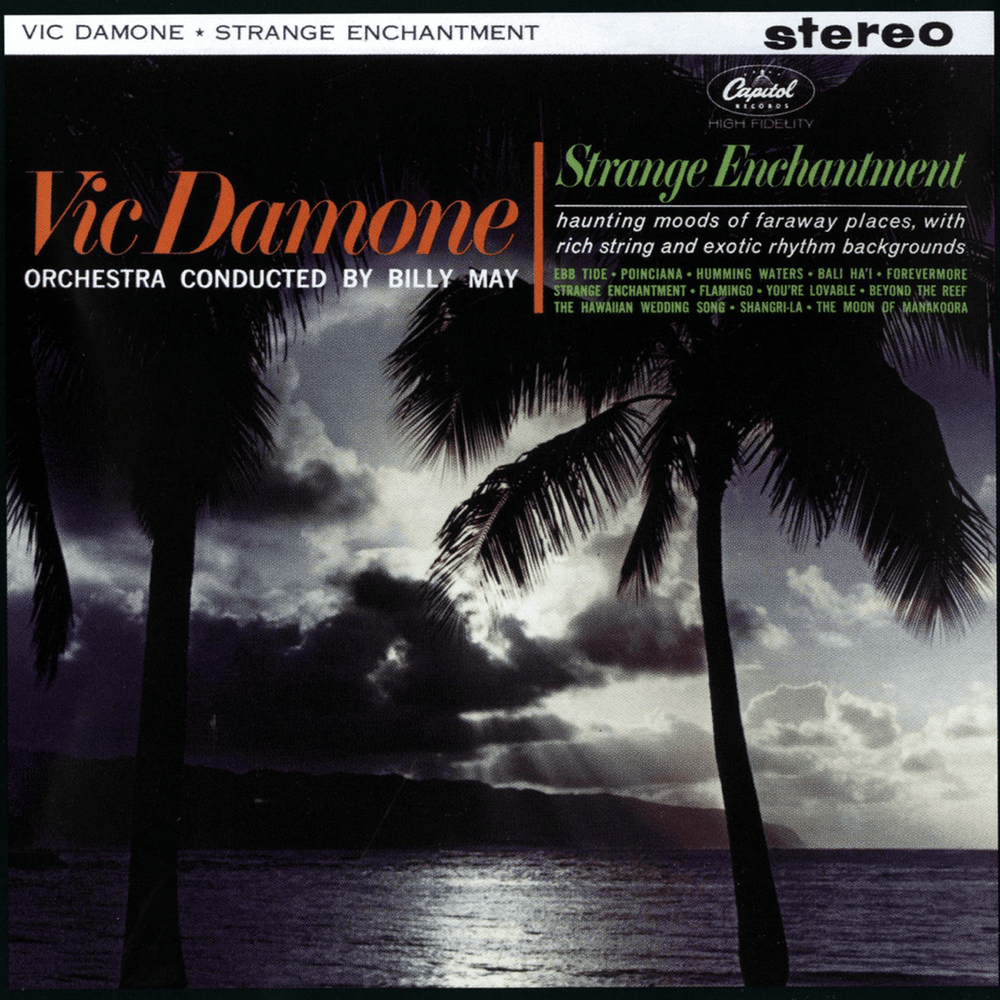
 View Artist