Song Meaning
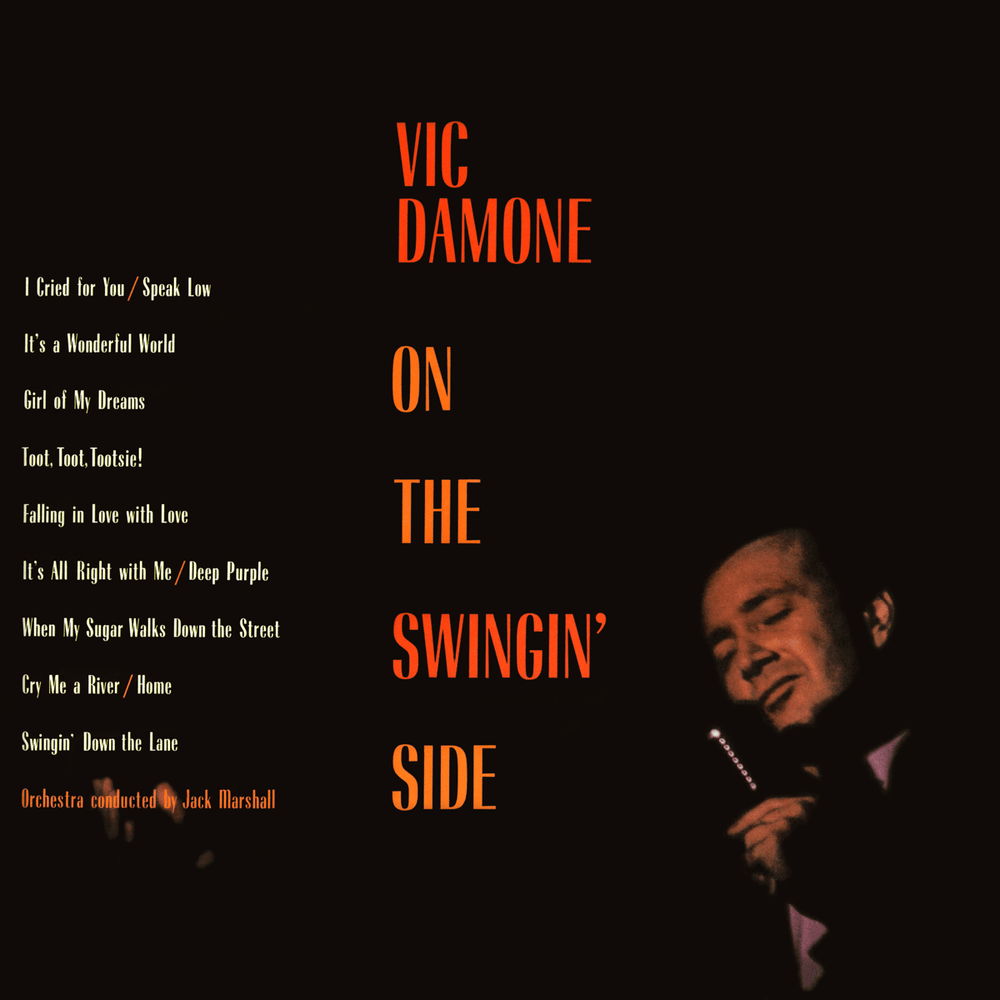
Vic Damone's rendition of "Deep Purple" isn't just a song; it's a sonic tapestry woven with threads of longing and spectral romance. The "deep purple" itself acts as a potent symbol, a twilight state where reality blurs and memories surge to the forefront. It's in this liminal space, between wakefulness and sleep, that the narrator finds solace, a recurring rendezvous with a love that time and circumstance have seemingly erased from the tangible world. The repeated phrase "Here in my deep purple dreams" underscores the illusory nature of this reunion, hinting at a love sustained more by memory and desire than by physical presence.
This isn't a simple lament for lost love; it's a sophisticated exploration of how the human psyche copes with absence. The lyrics suggest a deliberate retreat into the inner world, a carefully curated dreamscape where the beloved remains eternally present. The "sleepy garden walls" and "stars begin to flicker" evoke a sense of tranquil isolation, a world where the narrator can control the narrative and rewrite the ending. The phrase "though you're gone your love lives on when moonlight beams" highlights the power of memory to transcend physical absence, suggesting that love, in its purest form, can exist independently of its object.
Ultimately, the song's haunting beauty lies in its ambiguity. Is this a healthy coping mechanism, a way to keep the flame of love alive? Or is it a form of escapism, a refusal to accept the finality of loss? Damone's delivery, imbued with a wistful tenderness, leaves the interpretation open, allowing listeners to project their own experiences of love and loss onto the "deep purple" canvas. It's a testament to the enduring power of music to evoke complex emotions and spark introspection, transforming a simple love song into a profound meditation on the nature of memory, desire, and the human heart.
 View Artist