Song Meaning
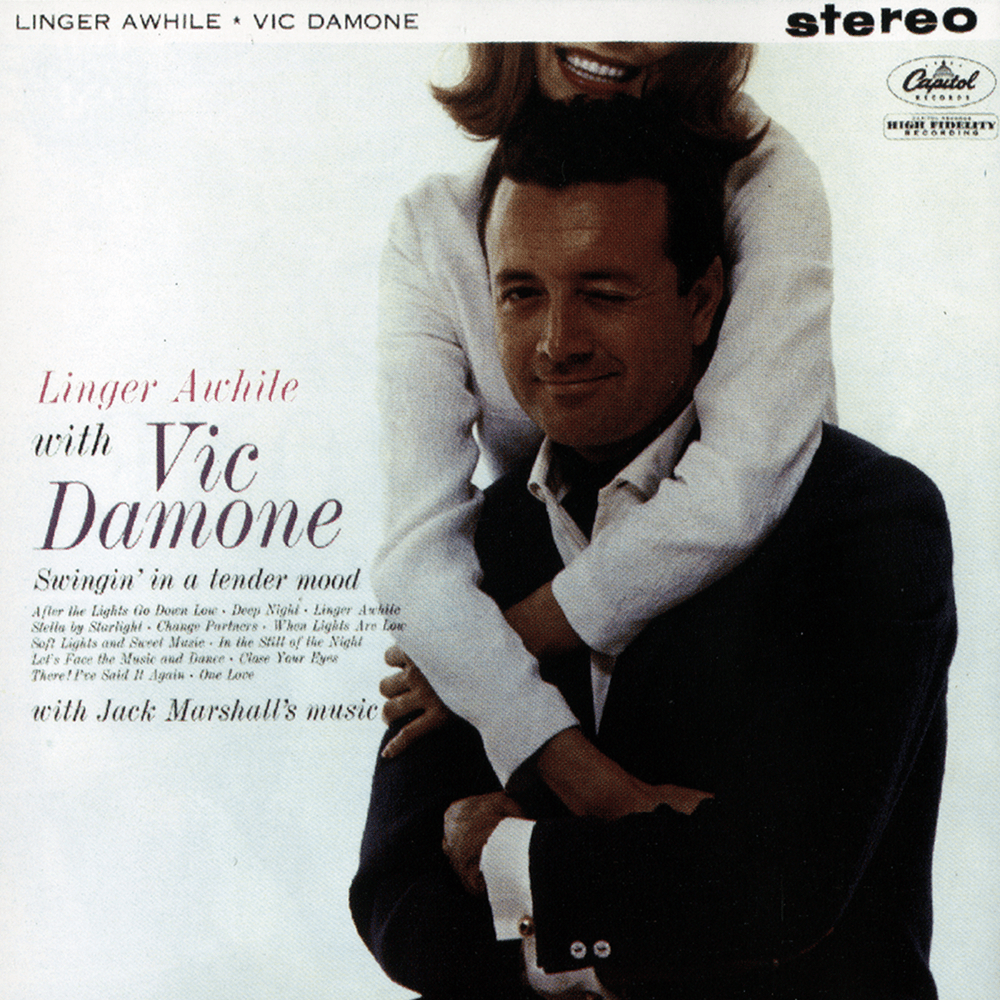
{"song_id": 12030774, "meaning": "Vic Damone's \"Change Partners\" isn't just a plea for a dance; it's a masterclass in subtly escalating romantic desperation. The lyrics paint a vivid picture of yearning, not through grand declarations, but through the precise observation of agonizing details. The singer is fixated on a woman who is utterly absorbed by another man, and Damone captures the exquisite torture of watching the object of one's desire entwined with someone else. The opening lines, \"Must you dance / Every dance / With the same / Fortunate man,\" drip with a thinly veiled frustration that only intensifies as the song progresses. It's a sentiment that's both timeless and deeply relatable, tapping into the universal experience of unrequited longing. The 'fortunate man' in question is less a rival and more a symbol of the singer's own inadequacy in this moment.
The song's genius lies in its restraint. Rather than exploding in jealous rage, the singer resorts to increasingly elaborate, almost comical, schemes to steal a moment with the woman. The suggestion to \"tell the waiter to tell him that he's wanted on the telephone\" is a far cry from violence, but a humorous indicator of the extent of his infatuation. It’s a moment of levity that also underscores the singer’s awareness of the absurdity of his own situation. He's caught between wanting to respect the woman's choice and being consumed by his own desire. This internal conflict makes the song all the more compelling, transforming it from a simple request into a study of human vulnerability.
Ultimately, the song's meaning rests on the implied promise in the final line: \"You may never want to change partners again.\" It's a bold assertion, fueled by hope and perhaps a touch of delusion. The singer believes that if he can just get one dance, one chance to connect, he can prove himself to be a superior partner. The lyrics analysis reveals a narrative far more complex than a simple dance request. It’s about the audacity of hope, the sting of jealousy, and the lengths to which we'll go to pursue the object of our affection, all wrapped in the elegant package of a classic Damone ballad."}
 View Artist