Song Meaning
The lyrics paint a stark picture of a relationship reaching a critical juncture, a "punto sin retorno"—a point of no return. The opening lines establish a sense of impending finality, whether it's the end of the relationship or something more profound. There's a plea to "quítame el disfraz" (take off the mask), suggesting a need for honesty and a desperate attempt to salvage what remains of their shared life, their "hogar" (home). This is immediately contrasted with the overwhelming force of "la inercia más feroz" (the fiercest inertia), a powerful current pulling the narrator away from any possibility of repair.
The central tension lies in the narrator's passive surrender to this destructive force. They acknowledge being caught by a "sedal" (fishing line), a metaphor for a connection that is now being used to reel them towards an inevitable, painful separation: "cose a mí tu adiós" (sew your goodbye onto me). The narrator seems resigned to becoming the very source of pain, declaring, "Seré la llaga, la venda y el dolor" (I will be the wound, the bandage, and the pain). This self-destructive embrace of suffering highlights a profound sense of helplessness against the momentum of their situation.
The most striking aspect of the craft is the persistent repetition of "la inercia más feroz" and the imagery of being swept away by a "ciclón" (cyclone). This relentless force isn't just an external factor; it becomes an internal state, a mode of being. The idea of "naves en plena colisión" (ships in full collision) further emphasizes the unavoidable, catastrophic nature of their trajectory. The repeated phrase "sin fuel para regresar" (without fuel to return) in the outro solidifies the irreversible nature of their path, leaving no option but to follow the "sedal" into the unknown.
Ultimately, these lyrics resonate because of their unflinching portrayal of surrender to overwhelming forces, both external and internal. The imagery is visceral, transforming abstract concepts like inertia and fate into tangible, destructive elements. The narrator’s passive acceptance of becoming the embodiment of pain, coupled with the inescapable pull of the "sedal" and the "ciclón," creates a powerful, melancholic sense of a destiny that has already been sealed, leaving only the slow descent into the inevitable.
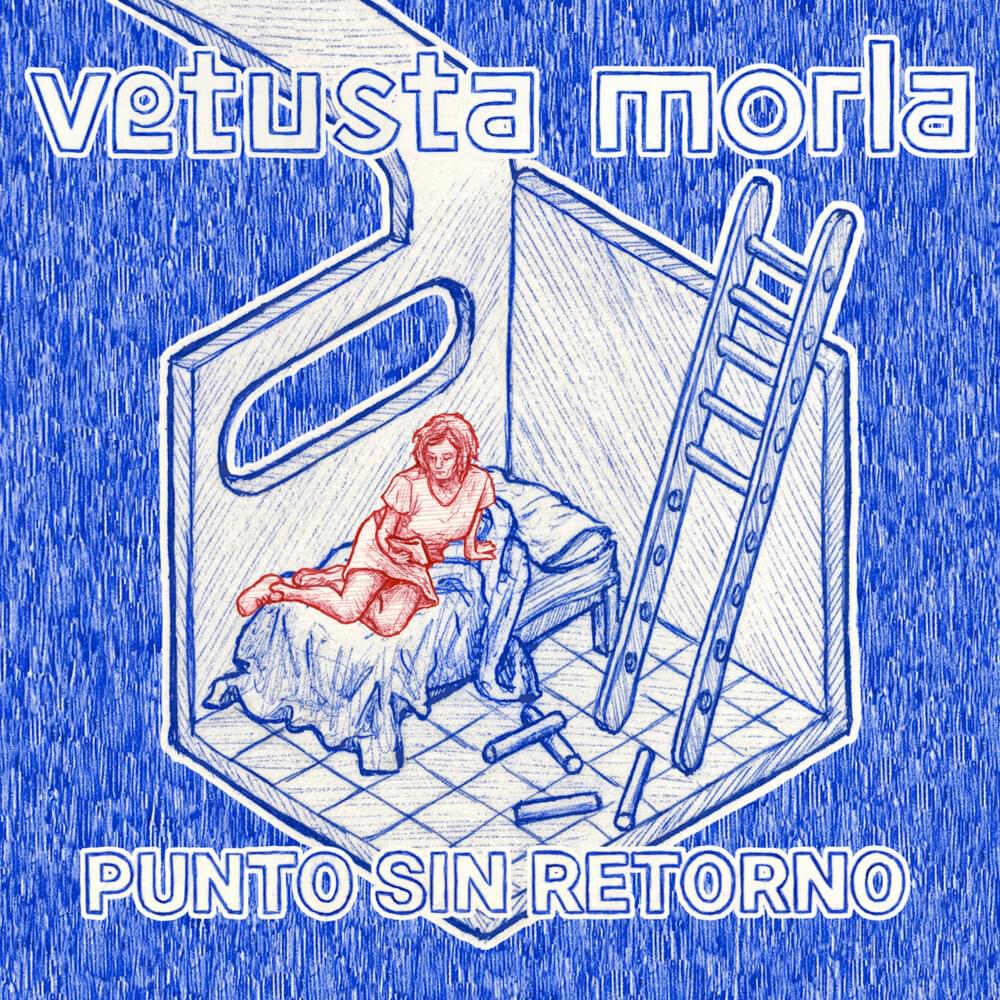
 View Artist