Song Meaning
The lyrics paint a picture of radical self-reinvention and a deliberate shedding of past structures. The narrator has "unfolded" themselves, seeing their reflection in other lives and actively dismantling their former existence. This is signaled by actions like "throwing the stone in the pond," burying "stories and calendar," and trading a "ball for gasoline." The imagery of a "forest catching fire" suggests a dramatic, possibly destructive, transformation is underway, a conscious choice to burn bridges and embrace chaos.
The central tension arises from the contrast between this active, almost violent, self-creation and a sense of being adrift. While the narrator has initiated change, they also acknowledge a loss of control, stating, "There is no longer a rudder in the drift." This creates a compelling push-and-pull: the exhilaration of breaking free versus the uncertainty of where this unguided movement will lead. The phrase "suicidal armies" hints at a dangerous, perhaps reckless, commitment to this new path.
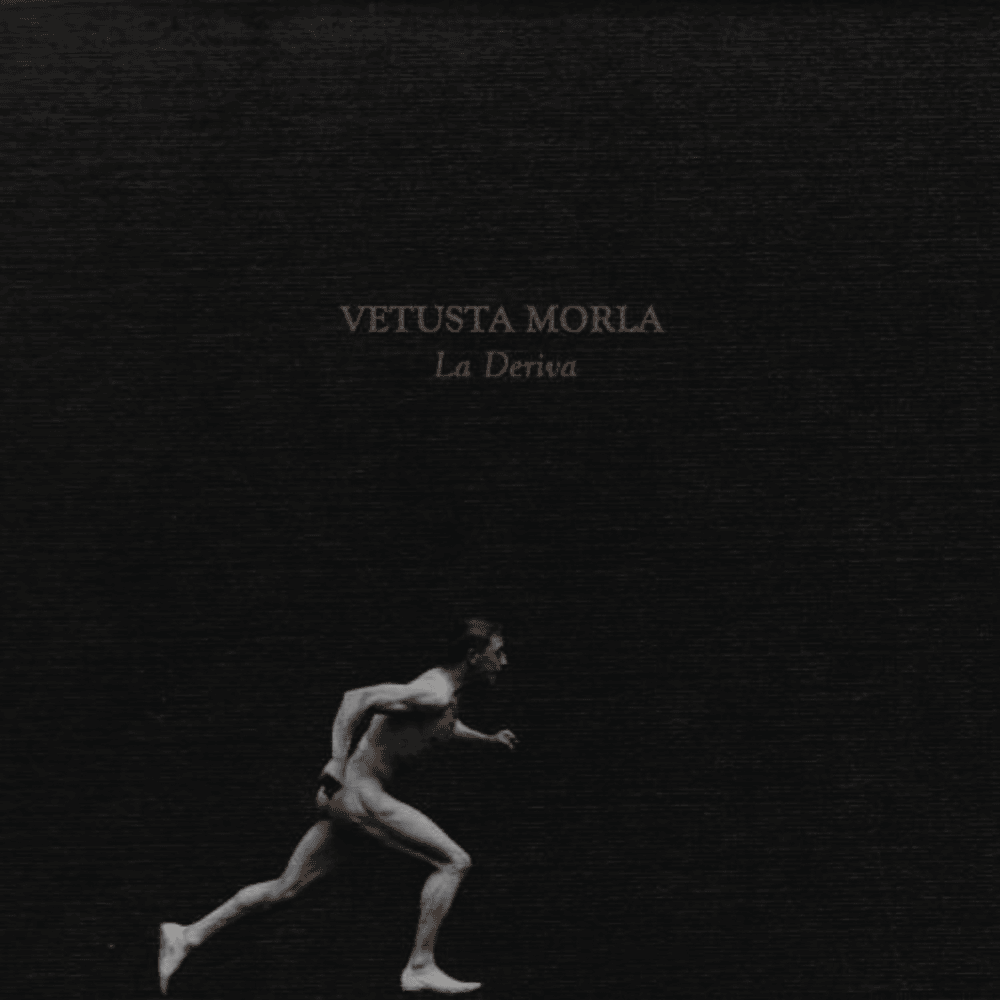
The most striking aspect is the recurring motif of "the drift" (la deriva) and the narrator's evolving relationship with it. Initially, the lack of a rudder signifies a loss of direction. However, the lyrics shift, with the narrator eventually declaring, "I don't want a rudder in the drift." This isn't a passive surrender but an active rejection of external guidance, embracing the chaos as a potential source of hope. The idea of "inventing an exit" or a "shelter" further emphasizes this proactive stance within the uncertainty.
This deliberate embrace of the unknown, coupled with the vivid imagery of burning and transformation, makes the lyrics resonate. The narrator isn't just lost; they are actively choosing to navigate without a map, finding a strange kind of agency in the very act of letting go. The final lines, "There is hope in the drift," encapsulate this powerful paradox, suggesting that true freedom might lie in surrendering to the currents rather than fighting them.
 View Artist