Song Meaning
The lyrics paint a stark picture of self-inflicted harm born from an all-consuming devotion. The narrator begins by detailing acts of nurturing and protection, feeding and sheltering the subject of their affection. This initial imagery of care, however, quickly shifts to reveal a darker consequence: "Sebe sam ranila" – I wounded myself. The repetition of these protective actions underscores the depth of the narrator's commitment, which seems to be the very source of their pain.
The central tension lies in the narrator's sacrifice, which is presented as both an act of love and a path to self-destruction. They guarded the subject "od drugih branila" (from others, defended), suggesting a fierce possessiveness or a desperate attempt to shield them. This external defense, however, directly leads to internal damage. The contrast between the outward care and the inward suffering is the emotional core, highlighting a destructive pattern where devotion erodes the self.
The craft here is in the stark, almost ritualistic repetition of nurturing verbs followed by the devastating refrain. Phrases like "Vodom sam te pojila / Hlebom hranila" (With water I watered you / With bread I fed you) establish a baseline of care. This is then juxtaposed with "Svoj život zgazila" (I trampled my own life) and "Večito ispaštala" (Eternally suffering). The simple, declarative sentences build a sense of inevitability, as if each act of giving was a step closer to their own undoing.
What makes these lyrics hit so hard is their unflinching portrayal of how love, or perhaps obsession, can become a cage. The narrator's actions, intended to protect and cherish, ultimately lead to their own ruin. The lyrics suggest that the intensity of their "obožavala" (adored) and "oprašala" (forgave) blinded them to the personal cost, leaving them "večito ispaštala" – a perpetual state of suffering born from their own hands.
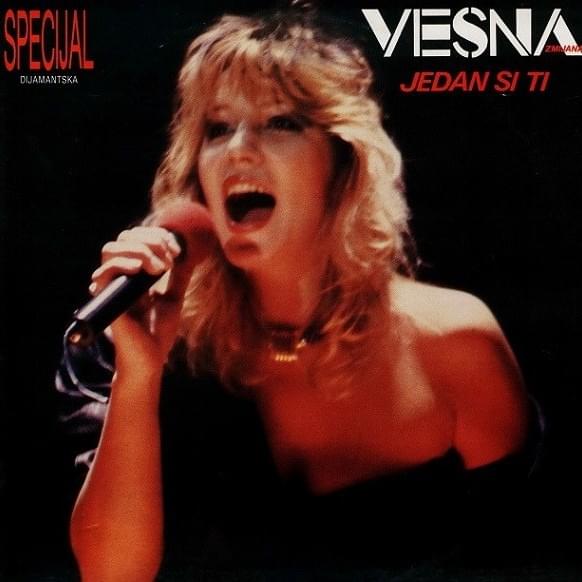
 View Artist