Song Meaning
The narrator is writing a letter to their mother, admitting that her earlier warning about a romantic partner was correct. The opening lines immediately establish a tone of regret and belated understanding, directly quoting the mother's prescient advice: "Neće taj da te ženi" (He won't marry you). This sets up a narrative of youthful defiance met with adult wisdom, a common theme, but here it’s framed through the specific lens of a failed relationship and the shame that follows.
The central tension lies in the narrator's shame and gratitude. They confess, "Stidim se i da ti dođem" (I'm ashamed to even come to you), highlighting the difficulty of facing the person they disappointed. Yet, the very act of writing this letter, and the repeated phrase "kažem 'Hvala'" (say 'Thank you'), reveals a deep, albeit embarrassed, appreciation for the mother's foresight. The lyrics suggest a painful realization that love, as the narrator experienced it, had a deceptive quality – "Da ljubav ima krila" (That love has wings) – implying it was fleeting or perhaps illusory, a concept the mother understood all along.
The most striking aspect of the craft is the direct, almost conversational address to the mother, interspersed with the repeated refrain. This repetition of the core sentiment – writing the letter due to disobedience and shame, coupled with gratitude – hammers home the narrator's emotional state. The simple, declarative sentences in the verses, like "Bila si u upravu" (You were right), contrast with the more complex emotional landscape described in the chorus, creating a powerful sense of earned, albeit difficult, wisdom. The structure emphasizes the circular nature of the narrator's regret and dawning respect.
Ultimately, these lyrics resonate because they capture a specific, often unspoken, filial dynamic: the moment a child finally grasps the depth of a parent's understanding. The narrator’s struggle to articulate their thanks, buried under layers of shame, makes the eventual admission of gratitude feel incredibly earned. It’s the raw, unvarnished acknowledgment of being wrong, delivered to the one person whose belief in them never wavered, that gives the song its emotional weight.
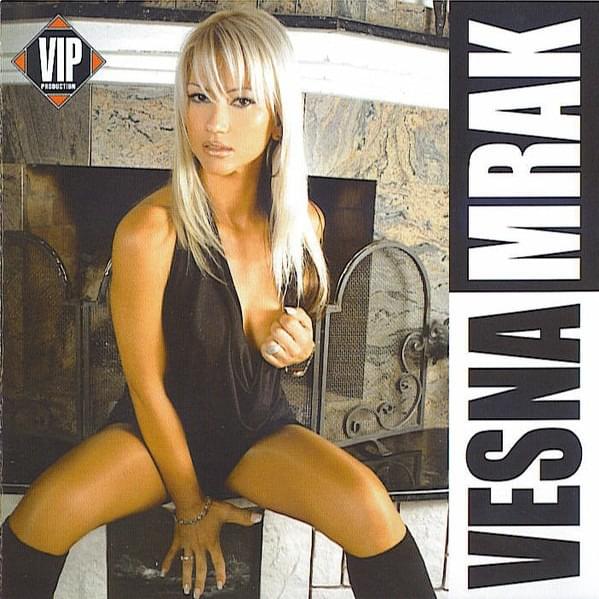
 View Artist