Song Meaning
The lyrics paint a vivid picture of being submerged, both literally and metaphorically. The repeated phrase "Underwater" immediately establishes a sense of being trapped or overwhelmed, where time feels precious and the environment is disorienting. The narrator is with someone else, but their connection is strained, marked by a desperate search for a "light" and a plea to be "pulled me up again." This suggests a relationship or situation that is suffocating, yet strangely familiar.
The central tension lies in the narrator's conflicting feelings about this submerged state. While initially seeking escape and fearing the unknown, there's a gradual acceptance, even a comfort, that develops. "It's not so bad down here / Once you get past the fear," the lyrics suggest, hinting at a resignation or a learned adaptation to a difficult circumstance. The presence of the other person, felt as a "touch" and sensed "through the haze," becomes a fragile anchor, a memory of what once was or a hope for rescue.
The most striking aspect of the writing is how it uses the underwater setting to convey a profound sense of isolation and muted communication. The narrator "cannot make a sound / But I can listen," highlighting a loss of voice and agency, yet an increased awareness of subtle cues. The disorientation is palpable: "I can't tell up from down." This sensory deprivation amplifies the emotional stakes, making the faint hope of connection – the other person being "just in sight" – a matter of survival, a plea to "save my life again."
Ultimately, the effectiveness of these lyrics stems from their ability to evoke a powerful, claustrophobic atmosphere that mirrors internal emotional states. The simple, direct language and the relentless repetition of "Underwater" create a hypnotic, almost suffocating effect. The plea for rescue, juxtaposed with the growing comfort in the depths, leaves the listener with a lingering sense of unresolved tension and the poignant ache of a connection that is both vital and failing.
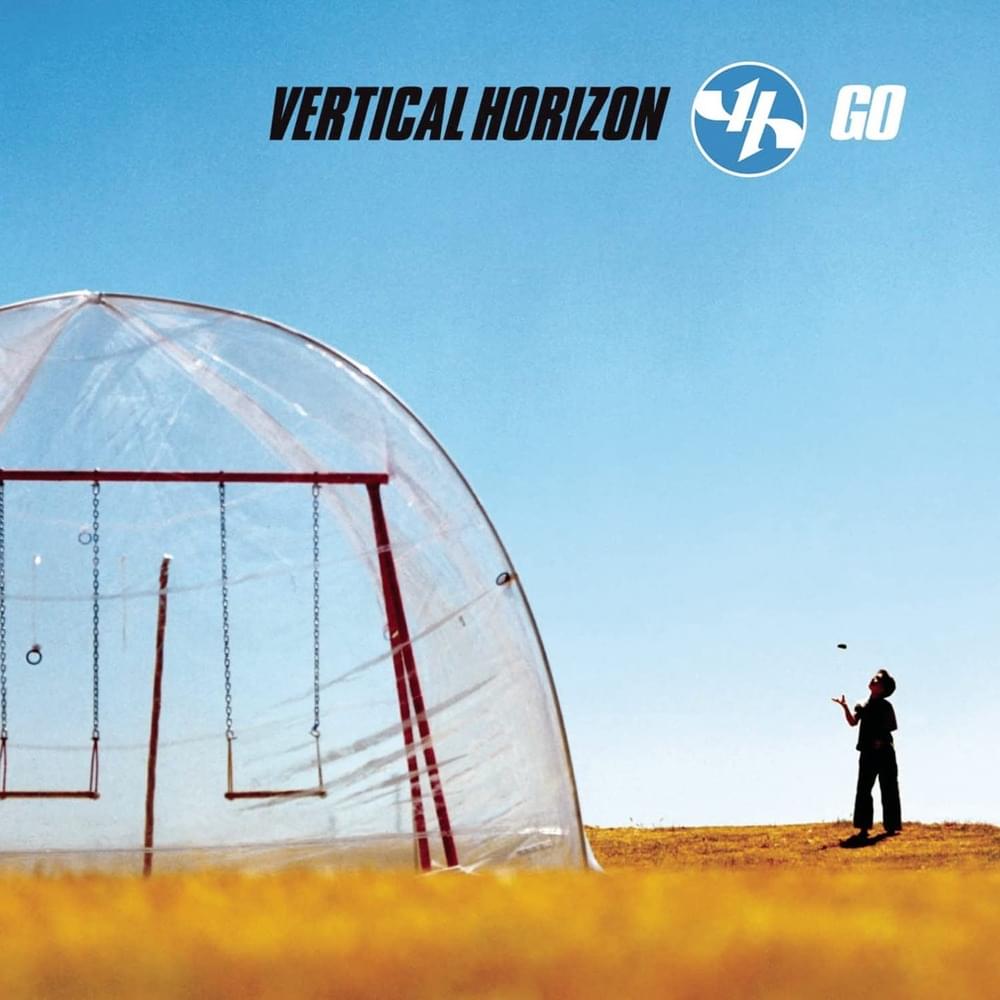
 View Artist