Song Meaning
Vern Gosdin's "Where The Tall Grass Grows" isn't just a country ballad; it's a masterclass in understated grief. The seemingly simple premise – a house with overgrown grass – unravels into a potent symbol of loss and the inability to move on. The house itself, described with its "three bedrooms, hardwood floors and the kitchen's new," is a hollow shell, a stark reminder of what was. The detail isn't about real estate; it's about the narrator's obsessive recollection of a life now fractured. That the neighbors all know "who used to live / Where the tall grass grows" only amplifies the sense of public mourning, a shared awareness of a private pain. The unkempt lawn becomes a visual marker of absence, a signifier of neglect born not of laziness, but of a deeper emotional paralysis.
The lyrics hint at a family that once thrived there, particularly the "little boy / Who always kept and mowed." This lost child, never explicitly explained, is central to the song's aching core. The overgrown grass is not just an aesthetic issue; it's a failure to maintain the legacy of that child, a visible manifestation of the narrator's inability to cope with their absence. The lines, "So come by and get the kid / Go make yourself at home / Take all the time you need / Wish I could come along," are particularly heart-wrenching, suggesting a separation, perhaps through death or divorce, that the narrator is desperately trying to undo, even in fantasy.
The repeated refrain, "Where the tall grass grows," transforms from a simple geographic marker into a psychological prison. The narrator confesses he'd "truly be under fire" and "crawl across its floor" if he were to return, suggesting the house is now a minefield of painful memories. It's not just about missing the past; it's about being actively wounded by it. The tall grass, therefore, isn't just an external detail; it's an embodiment of the internal barriers preventing healing and acceptance. The song's power lies in its restraint, allowing the listener to fill in the blanks and confront their own experiences with loss and the enduring power of memory. Gosdin doesn't offer easy answers, just a raw, honest portrayal of grief's lingering shadow.
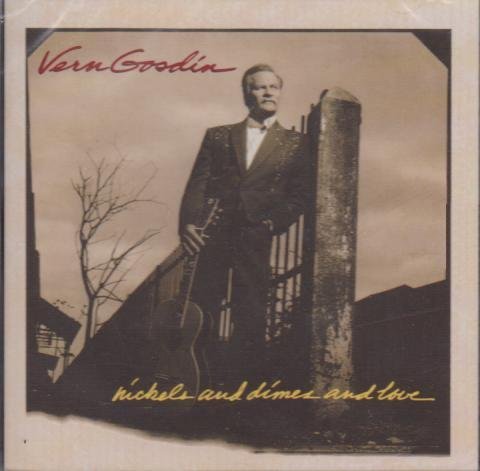
 View Artist