Song Meaning
Vern Gosdin's "Jesus, Don't Turn Me Away" isn't just a country gospel plea; it’s a stark reckoning with moral failure and the desperate search for redemption. The song cuts straight to the bone: a sinner, cornered by his own choices, confronts the consequences of a life lived in defiance of faith. There’s no elaborate backstory, no attempt to justify the "wrong turn" taken long ago. Instead, Gosdin delivers a raw, almost primal scream for clemency. The devil didn't just nudge him; he "led me astray," suggesting a complete surrender to temptation's power. The transaction is brutally clear: earthly desires fulfilled, now the bill has come due.
The power of "Jesus, Don't Turn Me Away" lies in its relentless simplicity and repetition. The lyrics paint a picture of a man stripped bare, reduced to his most fundamental need: forgiveness. The repeated chorus, a mantra of desperation, underscores the depth of his anguish. He's not asking for comfort or understanding, but simply to not be rejected. The imagery is classic Southern Gothic: knee-deep in sin, with nowhere left to run. It speaks to a feeling of being utterly lost, swallowed by one's own mistakes.
What elevates this beyond a mere religious exercise is the palpable sense of psychological torment. The speaker isn't just afraid of divine punishment; he's grappling with the internal knowledge of his own corruption. "Temptation was all I could see" suggests a blindness, a wilful ignorance of the consequences. Gosdin's delivery, presumably steeped in the traditions of country heartbreak, amplifies this sense of internal struggle, making "Jesus, Don't Turn Me Away" a haunting portrait of a soul on the precipice.
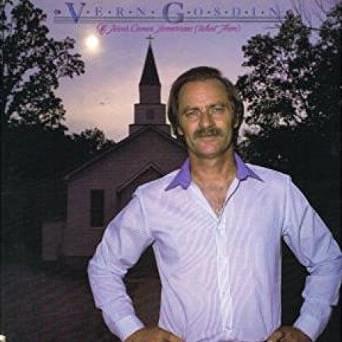
 View Artist