Song Meaning
Vern Gosdin's "Bury Me In A Jukebox" isn't just a country song; it's a stark, almost theatrical exploration of grief and the desperate search for solace. The premise itself is darkly humorous, a hyperbolic plea to be interred within the very machine that soundtracks his sorrow. But beneath the quirky request lies a profound loneliness. The jukebox isn't merely a source of music; it's become a surrogate community, a place where the singer finds a strange comfort in the shared experience of heartbreak. He’s not just listening to sad songs; he’s actively participating in a collective mourning ritual. The line, "My friends around the jukebox don't mind if I sing along," speaks volumes about the silent understanding within this chosen family of the heartbroken.
The honky-tonk setting becomes a refuge, a liminal space between life and death, where the echoes of lost love reverberate through the jukebox's selections. The lyrics hint at a specific loss – "Till I came home with no one home to come home too" – suggesting a relationship irrevocably fractured. The radio, another source of music, only amplifies his pain, playing "all my favorite songs" that now serve as painful reminders. This isn't just about sadness; it's about the haunting persistence of memory, the way music can both trigger and temporarily alleviate the ache of absence. The jukebox provides a tangible, almost physical connection to those memories, a way to keep the flame of love burning, even if it's fueled by tears.
The song's genius lies in its ability to balance the macabre with the deeply human. "Bury Me In A Jukebox" is not simply a morbid fantasy; it's a poignant commentary on the power of music to connect us in our darkest moments. The singer's desire to be entombed within the jukebox is, in essence, a desire to be forever surrounded by the sounds that understand his pain. It's a testament to the enduring power of country music to articulate the rawest emotions, transforming personal tragedy into a communal experience. The song suggests that even in death, the jukebox offers a strange kind of immortality, a way to keep the spirit alive through the shared language of sorrowful melodies.
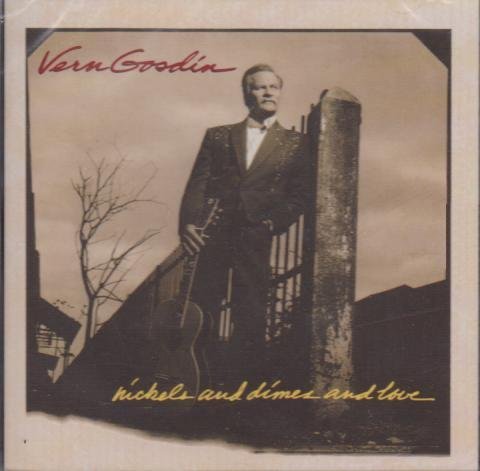
 View Artist