Song Meaning
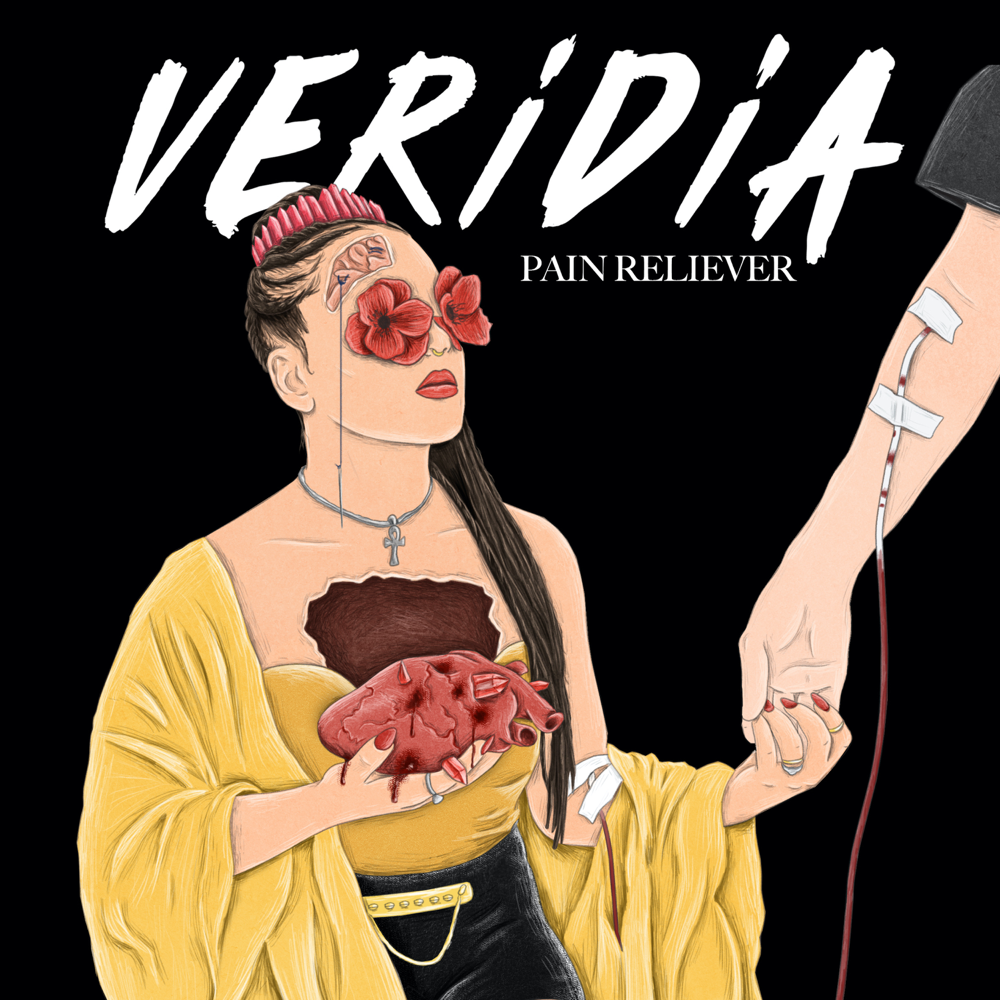
The lyrics paint a stark picture of someone grappling with intense emotional distress, seeking solace in a substance that offers temporary relief. The narrator openly admits to being "obsessive neurotic" with "emotional pain is chronic," immediately establishing a tone of deep-seated suffering. This suffering is so profound that they turn to a "tranquil tonic" and "sweet cherry cough syrup" as a desperate measure, framing these substances as a "pain reliever." The repetition of "therapy, therapy" highlights how this external source has become their primary coping mechanism.
The central tension lies in the narrator's desperate need for escape versus the potentially harmful nature of their chosen remedy. They describe the "rush" as something they "can't get enough" of, and the lyrics explicitly link this feeling to "amphetamine - phetamine," suggesting a powerful, possibly addictive, stimulant effect. Yet, this is juxtaposed with a desire for genuine connection, asking to be "hold[en] close" and for someone to "check on my fever." The narrator seems to be caught between the immediate, chemical high and a yearning for human comfort.
One of the most striking aspects of the writing is the blurring of lines between genuine affection and chemically induced euphoria. The narrator claims, "It's not like addiction / I am in need of some serotonin / When you're holding me closer / I get high on that oxytocin." This suggests a conscious effort to reframe the experience, attributing the intense feelings to a partner's presence and natural hormones rather than the "tonic" or "cough syrup." This rationalization, however, feels fragile against the earlier admissions of chronic pain and the explicit mention of amphetamines.
Ultimately, the effectiveness of these lyrics stems from their raw honesty about dependency and the complex emotional landscape it creates. The narrator's vulnerability is palpable as they confess their struggles while simultaneously attempting to justify their coping methods. The promise to "be your pain reliever" in return adds a layer of tragic reciprocity, implying a desire to offer the same kind of flawed comfort they receive, making the cycle of dependence feel even more entrenched and poignant.
 View Artist