Song Meaning
The lyrics paint a stark picture of abandonment and a defiant refusal to succumb to sorrow. The opening lines immediately establish a sense of decay and broken promises: "Ružno sve gde pogledam" (Everything is ugly where I look) and "Plavo cveće vene već" (Blue flowers are already wilting), setting a somber mood. This is directly contrasted with the betrayal, "A ti gaziš svoju reč" (And you break your word), indicating a deep personal hurt.
The central tension lies in the narrator's forceful declaration to a personified "goro" (forest): "Tuguj, goro, neću ja" (Grieve, forest, I won't). This is a powerful act of self-preservation, pushing the pain outward and refusing to internalize it. The repeated refrain, "On odlazi, ostavlja" (He is leaving, abandoning), underscores the finality of the situation, while the plea "I bol neka ide s njim / Samo ja da ne žalim" (And let the pain go with him / Only I should not regret) reveals the desperate desire for emotional freedom.
The imagery shifts in the second verse, highlighting the stark contrast between the departing lover's perceived happiness and the narrator's despair. "Pravo gazi, ide njoj" (He walks straight, goes to her) is a blunt, unvarnished description of his departure. The celestial imagery, "Njemu sija Mesec žut / Meni neće ovaj put" (For him shines the yellow moon / For me it won't this time), starkly illustrates the narrator's feeling of being excluded from joy and fortune.
The effectiveness of these lyrics stems from their raw, almost brutal honesty and the striking personification of the forest as a silent witness to grief. The narrator's refusal to grieve, instead projecting it onto the natural world, is a potent coping mechanism. The final lines of the third verse, "On već sa njom ima sve / A ja svoje ružne sne" (He already has everything with her / And I my ugly dreams), encapsulate the bitter envy and lingering pain that the narrator is desperately trying to shed, making the defiant refrain all the more impactful.
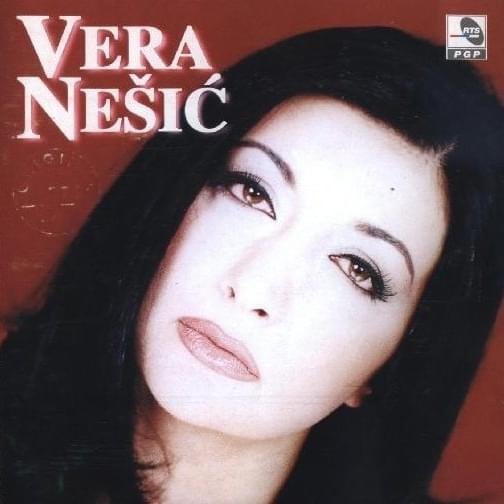
 View Artist